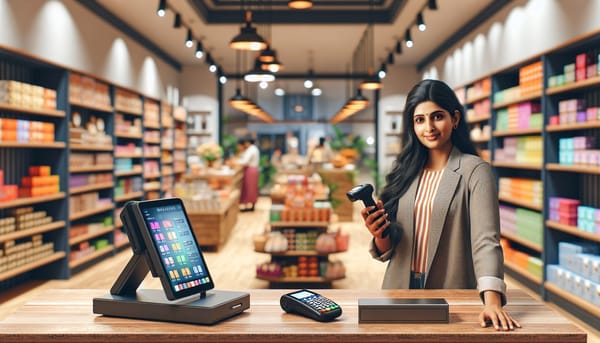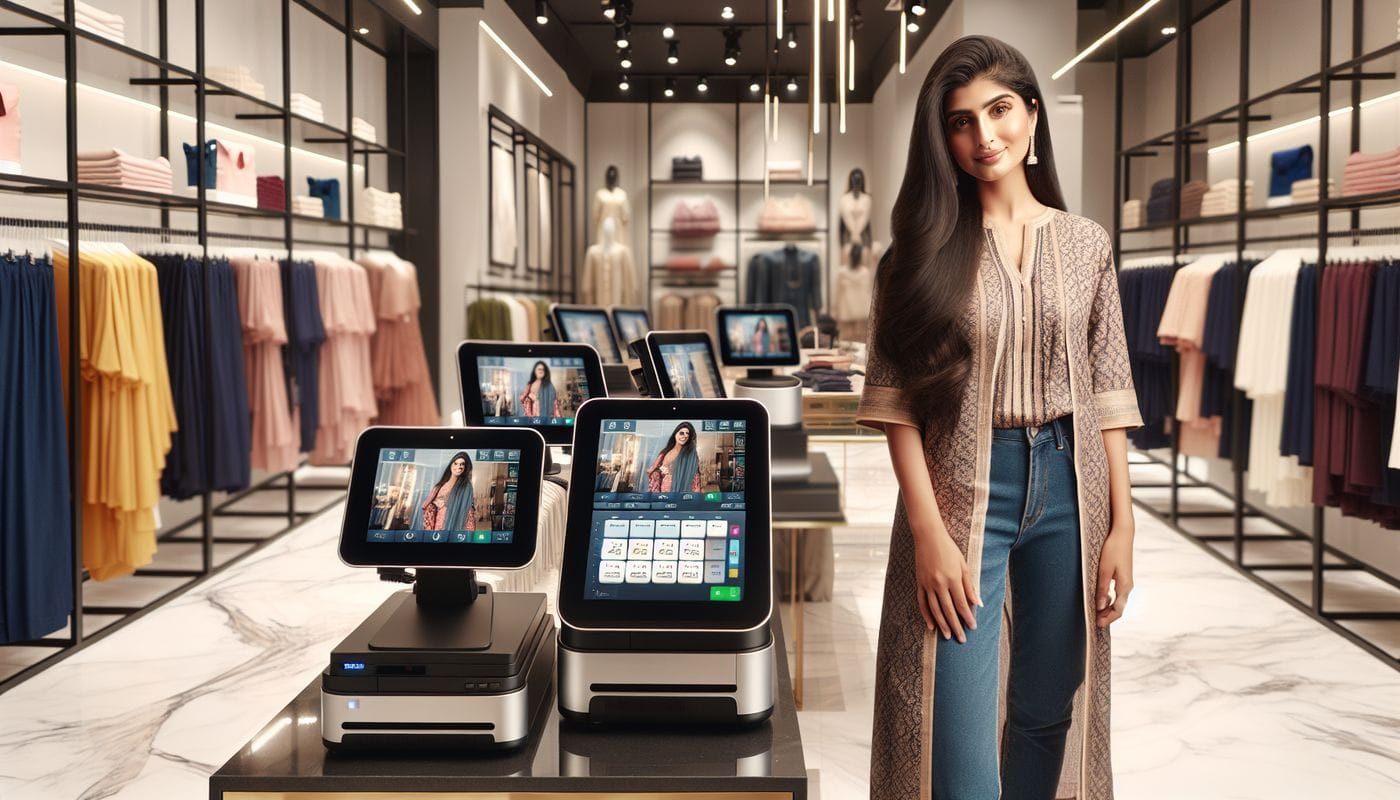
All-in-One POS Machine Guide: Best Hardware for Indian Fashion Stores 2026
Table of Contents
- Why Choosing the Right POS Hardware Matters for Fashion Retailers
- Large Touchscreen Display: The Heart of Your POS System
- Built-in Barcode Scanner for Fashion Inventory
- Integrated Thermal Receipt Printer
- Multiple Payment Terminal Options
- Offline-First Hardware Architecture
- Adequate Storage and Processing Power
- Multiple Connectivity Ports and Wireless Options
- How Commmerce Powers Your POS Hardware
- Conclusion
TL;DR
- The best all-in-one POS machine for Indian fashion stores should include a large touchscreen, built-in barcode scanner, thermal printer, and offline-first capability.
- Look for hardware with at least 4GB RAM, 64GB storage, multiple connectivity options, and native UPI payment integration for seamless operations.
- Choose Android-based systems for cost-effectiveness or Windows-based for advanced integrations, depending on your store size and complexity.
- Ensure your POS hardware works with omnichannel retail platforms to unify online and offline operations from a single terminal.
Why Choosing the Right POS Hardware Matters for Fashion Retailers
Selecting the best all-in-one POS machine for Indian fashion stores is crucial for streamlining operations and enhancing customer experience in 2026. The right hardware can make the difference between long checkout queues and smooth transactions, accurate inventory tracking and stock discrepancies.
Fashion retailers face unique challenges that generic POS systems often can't handle effectively. You need hardware that can quickly scan barcodes on tiny jewelry tags, process size and color variations seamlessly, handle seasonal promotions, and work reliably during peak shopping periods like festivals and sales events.
According to industry estimates, Indian fashion retail is experiencing rapid digitization, with multi-store chains increasingly adopting unified POS solutions. The India Brand Equity Foundation reports that organized retail is growing at over 15% annually, making efficient POS hardware essential for staying competitive.
This comprehensive guide covers the essential hardware features every Indian fashion retailer should look for when investing in an all-in-one POS machine, from touchscreen displays to payment integration capabilities.
Large Touchscreen Display: The Heart of Your POS System
A large, responsive touchscreen display is the most critical component of any all-in-one POS machine for fashion stores. The ideal screen size for fashion retail is between 15 to 21 inches, providing enough space to display product images, size charts, and multiple item variations without cluttering the interface.
Fashion stores benefit from capacitive touchscreens rather than resistive ones, as they offer better sensitivity and can handle multiple touch points simultaneously. This is particularly useful when processing complex transactions involving size exchanges, color preferences, or bundled offers that are common in fashion retail.
💡Pro TipChoose POS machines with anti-glare screens to ensure visibility even under bright store lighting, especially near windows or under LED spotlights commonly used in fashion displays.
The display should support full HD resolution (1920x1080) minimum to clearly show product photos, which is essential for fashion items where visual appeal drives purchase decisions. Modern all-in-one POS machines also feature adjustable stands, allowing staff to rotate the screen toward customers for digital receipts, loyalty program sign-ups, or payment confirmations.
Look for hardware with tempered glass protection and oleophobic coating to resist fingerprints and scratches from constant daily use. Some premium models include customer-facing secondary displays, which are particularly valuable for fashion stores as customers can see itemized pricing, discounts applied, and final totals in real-time.
Built-in Barcode Scanner for Fashion Inventory
Fashion inventory requires specialized scanning capabilities due to the variety of tag sizes, materials, and placement locations on garments and accessories. The best all-in-one POS machines for fashion stores include 2D barcode scanners that can read both traditional linear barcodes and QR codes printed on small jewelry tags or fabric labels.
Integrated scanners eliminate the need for separate handheld devices, reducing counter clutter and potential hardware failures. Look for omnidirectional scanning capability, which allows staff to scan items from any angle without precisely aligning the barcode. This speeds up checkout significantly during busy periods.
The scanning range should be at least 6 inches to accommodate bulky items like winter coats or large handbags without having to maneuver them awkwardly over the scanner. Some fashion retailers prefer POS machines with both built-in scanners and handheld scanner connectivity for maximum flexibility when processing large items or conducting inventory counts.
Consider models with automatic barcode detection that can differentiate between product codes, discount coupons, and loyalty cards without manual mode switching. This feature is particularly useful for fashion stores that frequently run promotional campaigns with printed or digital discount codes.
Integrated Thermal Receipt Printer
An integrated thermal receipt printer is essential for GST compliance and provides customers with immediate proof of purchase. Fashion stores need printers capable of handling both regular receipts and detailed invoices that include size, color, brand, and other product attributes required for returns or exchanges.
The printer should support 80mm receipt paper, which provides adequate space for itemized fashion purchases without making receipts excessively long. Look for print speeds of at least 200mm per second to avoid delays during checkout, especially important during sale periods when transaction volumes spike.
⚠️Watch OutAvoid POS machines with dot-matrix printers as they're slower, noisier, and produce lower-quality receipts that may not scan properly for returns processing.
Modern thermal printers in all-in-one POS systems often include auto-cutter functionality, ensuring clean receipt edges and reducing paper waste. Some models support logo printing and customizable receipt formats, allowing fashion retailers to maintain brand consistency and include promotional messages or return policies directly on receipts.
Ensure the printer compartment is easily accessible for paper replacement, as fashion stores typically process higher transaction volumes during weekends and festivals. Models with low-paper alerts and jam detection help prevent checkout disruptions during peak business hours.
Multiple Payment Terminal Options
Indian fashion shoppers use diverse payment methods, making versatile payment terminal integration crucial for all-in-one POS machines. The hardware should support native UPI payments through integrated QR code generation, traditional card readers for debit and credit cards, and contactless NFC payments that are becoming increasingly popular.
Look for POS machines with built-in payment terminals that support major Indian payment processors like Razorpay, PhonePe, and Paytm without requiring separate hardware. This reduces counter space requirements and eliminates the complexity of managing multiple payment devices.
The payment terminal should include both magnetic stripe and chip card readers, as many Indian customers still use older card formats. EMV compliance is mandatory for secure transactions, and the terminal should support PIN entry with a tamper-resistant keypad for added security.
Consider models with dual payment terminal support, allowing simultaneous processing of two different payment methods for split payments, which are common in fashion retail when customers use gift cards combined with other payment forms. Some advanced systems also support digital wallet integration for seamless omnichannel experiences.
Offline-First Hardware Architecture
Internet connectivity issues are common in many Indian retail locations, making offline-first POS hardware architecture essential for uninterrupted operations. The best all-in-one POS machines for fashion stores can process transactions, update inventory, and generate receipts even without internet connectivity.
Offline capability requires adequate local storage and processing power to cache product databases, pricing information, and transaction data. Look for systems with at least 64GB of local storage and the ability to sync automatically when connectivity returns without data loss or conflicts.
The hardware should maintain full functionality for core operations like barcode scanning, price calculation, discount application, and receipt printing during offline periods. This is particularly important for fashion stores in tier-2 and tier-3 cities where internet infrastructure may be less reliable.
Advanced offline-first systems can even process certain electronic payments using cached authorization data, though cash transactions remain the most reliable fallback during connectivity issues. Ensure the POS machine includes visual indicators for online/offline status so staff can inform customers about available payment options during outages.
Adequate Storage and Processing Power
Fashion inventory databases require significant storage capacity due to the numerous size, color, and style variations for each product. All-in-one POS machines for fashion stores should include minimum 4GB RAM and preferably 8GB for smooth multitasking during busy periods.
Processing power becomes critical when handling complex fashion retail operations like size matrix updates, promotional pricing calculations, and multi-item bundled offers. ARM-based processors provide good balance of performance and power efficiency, while Intel-based systems offer superior processing power for larger fashion chains with complex inventory requirements.
Fashion stores average 3x more SKU variations per product compared to general retailDue to size, color, and style combinations
Local storage should accommodate not just the POS software and inventory data, but also transaction logs, customer information, and offline capability requirements. SSD storage is preferred over traditional hard drives for faster boot times, quicker data access, and better reliability in retail environments with frequent power fluctuations.
Consider scalability when choosing hardware specifications, as fashion inventory typically grows seasonally and expanding product lines require additional processing capacity. Some POS machines offer memory expansion slots or cloud-hybrid architectures that can adapt to growing business needs.
Multiple Connectivity Ports and Wireless Options
Fashion retail operations require extensive peripheral connectivity for barcode label printers, cash drawers, secondary displays, and inventory management devices. All-in-one POS machines should include multiple USB ports (minimum 4), Ethernet connectivity, and reliable WiFi capability.
USB 3.0 ports ensure fast data transfer when connecting barcode label printers for inventory management or when backing up transaction data to external storage devices. Some fashion stores also require serial ports for legacy equipment like electronic scales for jewelry or fabric measurement tools.
Wireless connectivity should include dual-band WiFi (2.4GHz and 5GHz) for optimal performance in crowded retail environments. Bluetooth capability enables connection to mobile payment terminals, handheld scanners, or tablet devices used for floor sales and inventory counts.
Consider POS machines with built-in cellular connectivity options for locations with unreliable broadband internet. This backup connectivity ensures continuous operation for cloud-based features and real-time inventory synchronization across multiple store locations.
How Commmerce Powers Your POS Hardware
While choosing the right hardware is crucial, the software platform that runs on your all-in-one POS machine determines your actual operational capabilities. Commmerce is an Omnichannel Retail Operating System specifically designed for Indian fashion retailers with multiple store locations.
Unlike traditional POS software like Vyapar or Marg ERP that only handle billing, Commmerce transforms your hardware into a complete retail management hub. The platform includes unified inventory management across all stores, built-in ecommerce capabilities, order management system (OMS), and integrated delivery fulfillment.
The offline-first architecture of Commmerce ensures your POS hardware continues operating seamlessly even during internet outages, automatically syncing data when connectivity returns. This is particularly valuable for fashion stores where transaction processing cannot be interrupted during peak shopping periods.
Running a retail business in India?See how Commmerce unifies your stores, inventory, orders and delivery in one platform.Schedule a Free Demo
Key features that maximize your hardware investment include GST-compliant billing with automatic e-invoice generation, WhatsApp-based customer communication, loyalty program management, and real-time analytics across all store locations. The platform's native integrations with Indian payment providers and logistics companies ensure your POS hardware works seamlessly within the local business ecosystem.
For fashion retailers looking to implement same-day delivery services or quick commerce returns, Commmerce's OMS functionality turns your POS terminal into a complete order orchestration center, managing online orders, in-store pickups, and inter-store transfers from a single interface.
Conclusion
Selecting the best all-in-one POS machine for your Indian fashion store requires careful consideration of hardware specifications, connectivity options, and integration capabilities. The ideal system combines a responsive touchscreen display, built-in scanning and printing functionality, versatile payment processing, and robust offline capabilities.
Remember that hardware is only as effective as the software platform running on it. While traditional billing software may seem cost-effective initially, investing in an omnichannel retail operating system like Commmerce ensures your POS hardware delivers maximum value through unified inventory management, order processing, and analytics capabilities.
The fashion retail landscape in India is rapidly evolving, with customers expecting seamless experiences across online and offline channels. Your POS hardware choice should support not just today's operations but also future growth plans including additional store locations, ecommerce integration, and advanced inventory management requirements.
Frequently Asked Questions
Q: What is the best all-in-one POS machine for Indian fashion stores?
A: The best all-in-one POS machine for Indian fashion stores should include a touchscreen display, built-in GST billing, barcode scanner, thermal printer, UPI payment integration, and offline-first functionality to handle internet outages.
Q: How much does a good POS machine cost for fashion retail in India?
A: A quality all-in-one POS machine for Indian fashion stores typically costs between ₹25,000 to ₹75,000 depending on features, with mid-range options around ₹40,000 offering the best value for multi-store retailers.
Q: Should I buy Android or Windows POS hardware for my fashion store?
A: Android POS machines are more cost-effective and easier to maintain for small fashion stores, while Windows-based systems offer more flexibility and integration options for larger fashion chains with complex inventory needs.
Q: What hardware specs do I need for a fashion store POS system?
A: Fashion store POS machines should have at least 4GB RAM, 64GB storage, ARM or Intel processor, 15-inch touchscreen, built-in WiFi, Ethernet port, multiple USB ports, and support for barcode scanners and receipt printers.
Q: Do I need different POS machines for my online and offline fashion stores?
A: No, modern all-in-one POS machines work seamlessly across online and offline channels when integrated with an omnichannel retail platform, allowing unified inventory and order management from a single hardware setup.
Disclaimer: This article is for general informational purposes only and does not constitute legal, financial, or tax advice. GST rules, compliance requirements, and platform features may change over time. Please verify the latest guidelines with a qualified professional or refer to official sources such as the GSTN or CBIC. Market statistics mentioned are based on publicly available estimates and may not reflect current figures. Commmerce product features referenced are accurate at the time of writing and subject to change.