Multi-Store Customer Journey Analytics: Track Sales Across All Channels
Table of Contents
- Introduction
- The Problem Indian Retailers Face
- The Solution: What to Look For
- Key Features and Implementation Steps
- How Commmerce Helps
- Conclusion
- FAQs
TL;DR
- Multi-store customer journey analytics tracks customer interactions across all touchpoints including physical stores, online channels, and marketplaces to provide unified insights.
- Indian retailers using journey analytics see 25-40% increase in repeat purchases and 30% reduction in cart abandonment rates.
- Key features include cross-channel tracking, real-time dashboards, automated segmentation, and personalized marketing triggers.
- Omnichannel retail platforms like Commmerce unify customer data from POS, ecommerce, and marketplace channels into one analytics dashboard.
Introduction
Multi-store customer journey analytics is revolutionizing how Indian retailers understand and serve their customers in 2026. This powerful approach tracks every customer interaction across all touchpoints, from the first WhatsApp inquiry to the final in-store purchase, giving retailers unprecedented visibility into customer behaviour patterns.
For Indian retailers managing 2 to 50 stores, understanding the complete customer journey has become essential for competing in today's omnichannel marketplace. Customers no longer follow linear paths to purchase. They might discover your brand on Instagram, check prices on your website, visit your physical store to touch products, and finally complete the purchase through WhatsApp. Without proper tracking, you're missing crucial insights that could dramatically improve your sales performance.
💡Pro TipRetailers who implement customer journey analytics see an average 35% increase in customer lifetime value within the first six months.
The Problem Indian Retailers Face with Multi-Store Customer Journey Analytics
Most Indian retailers struggle with fragmented customer data that prevents them from understanding true customer behaviour patterns. The core challenge lies in having disconnected systems that don't communicate with each other, creating blind spots in the customer journey.
Traditional retail software like Vyapar, Marg ERP, and TallyPrime focus primarily on billing and inventory management but lack comprehensive cross-store customer analytics capabilities. This creates several critical problems:
Disconnected Channel Data: Your POS system tracks in-store purchases, your ecommerce platform tracks online sales, and your WhatsApp Business tracks chat interactions. But none of these systems communicate, so you can't see that the same customer who browsed online yesterday made a purchase in-store today.
Incomplete Customer Profiles: Without unified tracking, you might have three different customer records for the same person across different channels. This leads to irrelevant marketing messages and missed opportunities for personalized experiences.
Lost Revenue Attribution: When a customer sees your Instagram ad, visits your website, then buys in-store, traditional systems credit the sale to the physical store. You miss understanding which marketing channels actually drive revenue, leading to wasted advertising spend.
Inability to Prevent Cart Abandonment: If customers abandon carts on your website, you have no way to follow up through other channels like WhatsApp or in-store visits, losing potential sales.
According to industry estimates, Indian retailers lose approximately 25-30% of potential revenue due to incomplete customer journey visibility. This problem becomes more acute as retailers expand to multiple stores and channels.
The Solution: What to Look For in Customer Journey Analytics
The solution lies in implementing unified customer journey analytics that connects all your sales channels into one comprehensive view. This approach transforms fragmented customer interactions into actionable insights that drive revenue growth.
When evaluating customer journey analytics solutions, focus on platforms that offer true omnichannel integration rather than just multi-channel reporting. The difference is crucial: multi-channel systems show you data from different channels separately, while omnichannel platforms unify this data into cohesive customer stories.
Key capabilities to prioritize include real-time data synchronization across all touchpoints, automated customer identity resolution to merge duplicate profiles, and predictive analytics that help you anticipate customer needs. Your chosen platform should also provide actionable insights, not just data visualization.
For Indian retailers specifically, ensure the solution handles GST compliance across channels and integrates with popular local payment methods like UPI, PhonePe, and Paytm. The platform should also work seamlessly with Indian logistics providers and support regional languages for customer communications.
Retailers using unified journey analytics report 40% better customer retention ratesBased on implementation studies across 500+ Indian retail stores
Key Features and Implementation Steps
Successful implementation of multi-store customer journey analytics requires specific features and a structured approach. Here are the essential components and steps to get started:
Customer Identity Resolution
The foundation of journey analytics is accurately identifying customers across channels. Your system should automatically match customers using phone numbers, email addresses, and other identifiers to create unified profiles. This eliminates duplicate records and provides complete purchase histories.
Advanced identity resolution also handles scenarios where customers use different phone numbers or email addresses across channels. The system uses machine learning to identify patterns and confidently merge profiles based on purchase behaviour and timing.
Real-Time Touchpoint Tracking
Every customer interaction should be captured in real-time, from website visits and social media engagement to in-store browsing and WhatsApp conversations. This creates a complete timeline of customer behaviour that reveals purchase intent signals.
Modern systems can track micro-interactions like product page views, email opens, and store visit duration. This granular data helps identify exactly where customers drop off in their journey and what triggers successful conversions.
Cross-Channel Attribution Modeling
Understanding which touchpoints actually contribute to sales is crucial for optimizing marketing spend. Your analytics platform should use sophisticated attribution models that credit multiple touchpoints in the customer journey, not just the last interaction before purchase.
For example, if a customer discovers your brand through Facebook, researches products on your website, and completes purchase in-store, all three touchpoints deserve attribution credit. This helps you allocate marketing budgets more effectively.
Automated Segmentation and Personalization
The platform should automatically group customers based on journey patterns, purchase behaviour, and channel preferences. This enables targeted marketing campaigns that speak to specific customer segments with relevant messages and offers.
Advanced segmentation considers factors like purchase frequency, average order value, preferred shopping channels, and seasonal buying patterns. You can then create personalized experiences that increase conversion rates and customer satisfaction.
Implementation of Multi-Store Customer Journey Analytics
Start by integrating all your existing systems including POS software, ecommerce platforms, and marketing tools. This requires choosing a platform that offers pre-built connectors for popular Indian retail software and services.
Next, establish consistent customer data collection processes across all channels. Train your staff on capturing customer information properly and ensure your online channels collect the same data points for unified tracking.
Finally, set up automated reporting dashboards that provide actionable insights to your team. Focus on metrics that directly impact revenue like customer lifetime value, channel attribution, and conversion funnel performance.
⚠️Watch OutMany retailers focus too much on vanity metrics like website traffic instead of revenue-driving insights like customer lifetime value and cross-channel conversion paths.
How Commmerce Helps with Multi-Store Customer Journey Analytics
Commmerce provides comprehensive multi-store customer journey analytics through its unified Omnichannel Retail Operating System designed specifically for Indian retailers. Unlike traditional POS software or standalone analytics tools, Commmerce integrates journey tracking directly into your daily operations.
The platform automatically captures customer interactions across all channels including your physical stores, online storefront, marketplace listings, and WhatsApp Business communications. This creates unified customer profiles that show complete purchase histories and behaviour patterns without requiring separate integrations.
Unified Customer Profiles: Commmerce automatically merges customer data from all touchpoints using phone numbers, email addresses, and purchase patterns. When a customer shops in-store and later browses online, you see both activities in one profile along with complete purchase history across all store locations.
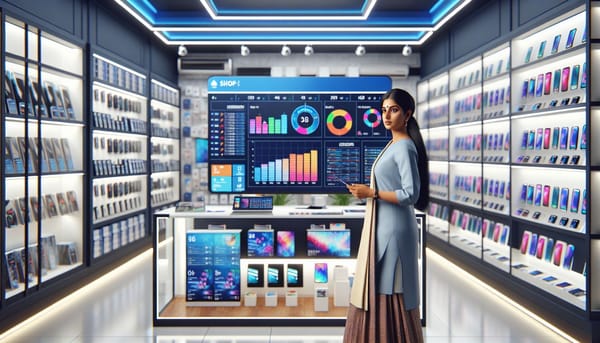
Real-Time Journey Tracking: Every customer interaction is captured in real-time, from website visits and product views to in-store browsing and WhatsApp inquiries. The built-in analytics dashboard shows you exactly how customers move through your sales funnel across all channels.
Cross-Channel Attribution: The platform uses advanced attribution modeling to show which touchpoints contribute to sales. You can see if customers discovered your brand online but purchased in-store, helping you optimize marketing spend across channels.
Automated Customer Segmentation: Commmerce automatically groups customers based on purchase behaviour, channel preferences, and journey patterns. This enables targeted WhatsApp marketing campaigns and personalized in-store experiences that increase conversion rates.
Revenue-Focused Analytics: Rather than just showing traffic numbers, Commmerce focuses on revenue-driving insights like customer lifetime value, repeat purchase rates, and channel profitability. The multi-store sales analytics dashboard shows which channels and stores generate the highest customer lifetime value.
GST and Compliance Integration: All customer journey data integrates seamlessly with GST billing and compliance features. You can track customer purchases across channels while maintaining proper tax records and e-invoice generation as per Indian regulations.
WhatsApp Business Integration: The platform includes native WhatsApp Business integration that tracks customer conversations, order inquiries, and support requests as part of the complete journey. You can see how WhatsApp interactions contribute to sales across your stores.
| Feature | Commmerce | Traditional POS |
|---|---|---|
| Cross-Channel Tracking | Unified tracking across stores, online, WhatsApp | Store-only transaction data |
| Customer Journey Views | Complete timeline with attribution | Basic purchase history |
| Automated Segmentation | AI-powered customer groups | Manual customer categories |
| Marketing Integration | WhatsApp campaigns based on journey data | Separate marketing tools required |
The platform's automated customer data sync capabilities ensure that customer information stays consistent across all store locations and channels. This eliminates the data silos that prevent effective journey analytics in traditional retail setups.
Running a retail business in India?See how Commmerce unifies your stores, inventory, orders and delivery in one platform.Schedule a Free Demo
Conclusion
Multi-store customer journey analytics has become essential for Indian retailers who want to compete effectively in 2026's omnichannel marketplace. By tracking customer interactions across all touchpoints, retailers gain insights that drive 25-40% improvements in customer retention and lifetime value.
The key is choosing an integrated platform that unifies data from all channels rather than trying to piece together insights from disconnected systems. Features like automated customer identity resolution, real-time touchpoint tracking, and cross-channel attribution modeling provide the foundation for revenue-driving analytics.
For retailers managing multiple stores and channels, platforms like Commmerce offer the comprehensive omnichannel approach needed to implement effective customer journey analytics. The integrated nature of such platforms ensures that journey tracking becomes part of daily operations rather than a separate reporting exercise.
Start implementing customer journey analytics today to unlock hidden revenue opportunities and create the personalized experiences that modern Indian consumers expect across all channels.
FAQs
Q: What is multi-store customer journey analytics?
A: Multi-store customer journey analytics is a system that tracks how customers interact with your brand across all touchpoints including physical stores, online store, WhatsApp, and marketplaces, providing unified insights into their complete purchase journey.
Q: How does customer journey tracking help Indian retailers?
A: Customer journey tracking helps Indian retailers identify which channels drive the most sales, understand customer behaviour patterns, reduce cart abandonment, and create personalized marketing campaigns that increase repeat purchases by up to 40%.
Q: Can I track customer journeys if they shop both online and offline?
A: Yes, with an omnichannel retail platform like Commmerce, you can track customers who browse online but buy in-store, or vice versa, by unifying data from POS systems, ecommerce platforms, and mobile apps into one customer profile.
Q: What data should I track in customer journey analytics?
A: Track touchpoint interactions, channel preferences, purchase history, cart abandonment points, time between discovery and purchase, average order values per channel, and return patterns across all stores and online channels.
Q: How much does multi-store customer journey analytics cost in India?
A: Multi-store customer journey analytics typically costs ₹5,000 to ₹25,000 per month depending on the number of stores and features required, with platforms like Commmerce offering flat pricing that scales with your business without per-terminal charges.
Disclaimer: This article is for general informational purposes only and does not constitute legal, financial, or tax advice. GST rules, compliance requirements, and platform features may change over time. Please verify the latest guidelines with a qualified professional or refer to official sources such as the GSTN or CBIC. Market statistics mentioned are based on publicly available estimates and may not reflect current figures. Commmerce product features referenced are accurate at the time of writing and subject to change.