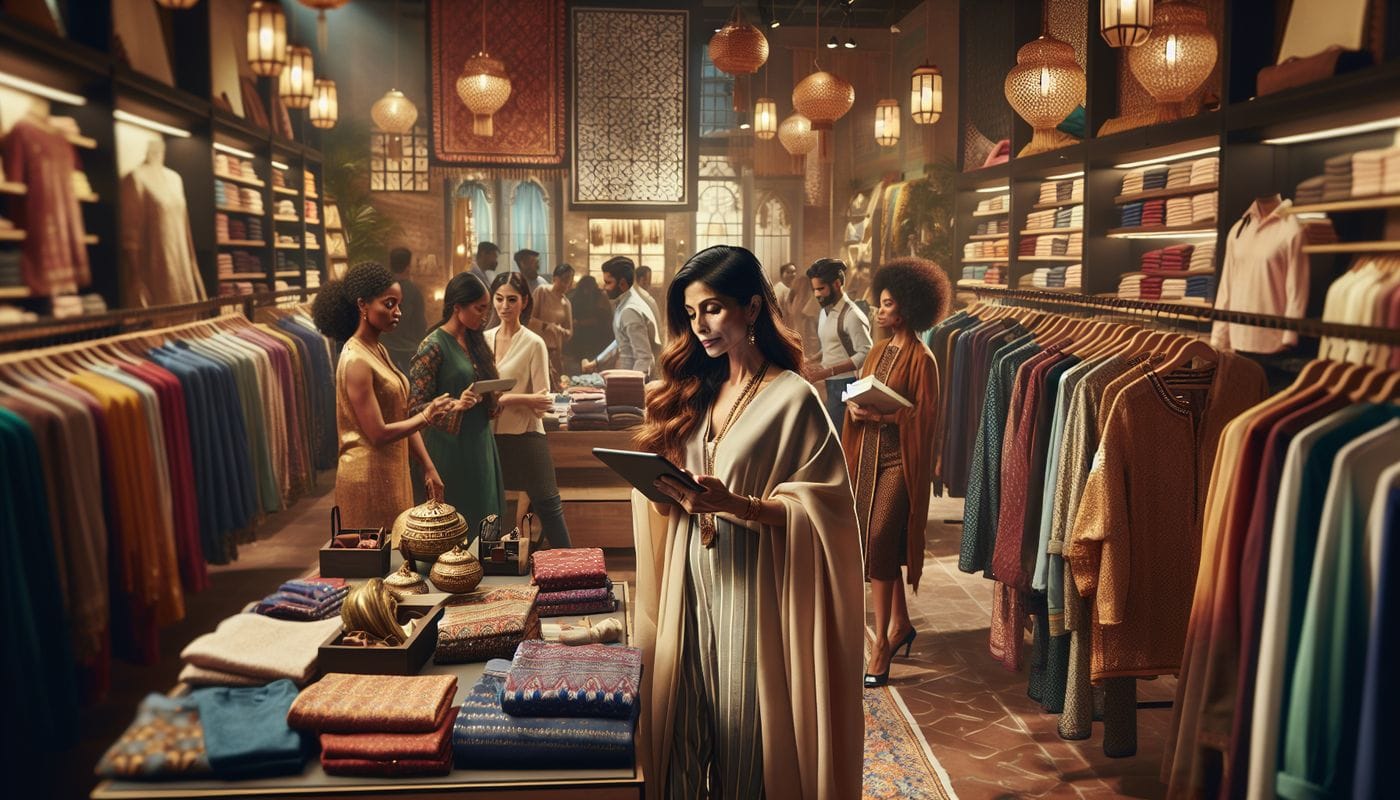
Multi-Store Peak Season Inventory Planning: Cut Fashion Stockouts 60%
Table of Contents
- Introduction
- Multi-Store Peak Season Inventory Planning Challenges
- The Solution Framework: Smart Inventory Planning
- Key Strategies for Peak Season Success
- How Commmerce Helps Fashion Chains
- Conclusion
- Frequently Asked Questions
TL;DR
- Fashion retailers can cut stockouts by 60% through demand forecasting, safety stock planning, and real-time inventory visibility across all store locations.
- Peak season inventory planning requires maintaining 15-20% safety stock above projected demand and implementing automated stock transfer between stores.
- Successful multi-store fashion chains use centralized inventory dashboards, ABC analysis, and dynamic reorder points to optimize stock levels during festivals and sales periods.
Introduction
Multi-store peak season inventory planning is the backbone of successful fashion retail operations during India's festival and wedding seasons. Fashion retailers face their biggest challenge when Diwali, wedding seasons, and regional festivals drive demand spikes of 300-400% across their store network, often resulting in stockouts that cost retailers millions in lost sales.
Peak season stockouts don't just mean lost immediate sales. They damage customer relationships, force shoppers to competitors, and waste the expensive marketing investments retailers make during these crucial periods. The solution lies in strategic multi-store inventory planning that anticipates demand, maintains optimal stock levels, and ensures the right products reach the right stores at the right time.
Multi-Store Peak Season Inventory Planning Challenges
Indian fashion retailers face unique inventory planning challenges that become critical during peak seasons. Traditional inventory management tools like TallyPrime, Marg ERP, and Vyapar lack the sophisticated forecasting and multi-location visibility needed for peak season success.
The primary challenge is demand unpredictability. While retailers know festivals drive sales spikes, the exact magnitude varies by location, product category, and customer demographics. A fashion chain might see 500% demand increase for ethnic wear in Delhi during Diwali, while their Mumbai stores experience higher western wear sales during the same period.
⚠️Watch OutMany fashion retailers make the mistake of applying uniform inventory planning across all stores, ignoring regional preferences and local festival calendars that can vary significantly across India.
Stock visibility across multiple locations presents another major hurdle. Fashion retailers often discover stockouts in their flagship stores while excess inventory sits in smaller outlets. Without real-time visibility, they cannot redistribute stock effectively during critical selling periods.
Supply chain delays compound these challenges. Fashion retailers typically place peak season orders 2-3 months in advance, but supplier delays or quality issues can disrupt carefully planned inventory levels just when demand peaks.
The Solution Framework: Smart Inventory Planning
Smart inventory planning for fashion retailers combines data-driven demand forecasting with flexible stock distribution strategies. The framework starts with comprehensive historical sales analysis, examining not just total sales but product-wise, store-wise, and time-based patterns from previous peak seasons.
Successful fashion chains implement ABC analysis to categorize their inventory. A-category items (typically 20% of products generating 80% of revenue) require the most sophisticated planning and highest safety stock levels. B-category items need moderate planning attention, while C-category items follow simpler reorder rules.
The optimal solution includes real-time inventory visibility across all store locations, automated stock transfer capabilities, and dynamic reorder point adjustment based on sales velocity. According to the Retailers Association of India, fashion retailers using integrated inventory management systems report 40-60% reduction in stockouts during peak seasons compared to those using traditional methods.
Key Strategies for Peak Season Success
Demand Forecasting Based on Historical Data
Effective multi-store peak season inventory planning starts with analyzing sales data from the past 2-3 years. Fashion retailers should examine daily sales patterns during previous Diwali periods, wedding seasons, and regional festivals to identify demand trends.
Smart retailers segment their analysis by product categories, price ranges, and store locations. Ethnic wear might see 400% demand increase during Diwali, while western wear experiences moderate 150% growth. These insights drive category-specific inventory planning.
Safety Stock Optimization
Fashion retailers should maintain safety stock levels of 15-20% above projected peak demand for A-category items. Fast-moving bestsellers may require up to 25% safety stock buffer, while slower-moving items can operate with 10-15% buffer stock.
| Product Category | Demand Increase | Safety Stock % |
|---|---|---|
| Ethnic Wear | 300-500% | 25% |
| Wedding Collections | 400-600% | 30% |
| Casual Wear | 150-200% | 15% |
| Accessories | 200-300% | 20% |
Regional Inventory Distribution
Multi-store fashion retailers must account for regional preferences and local festival calendars. Durga Puja drives higher sales in Bengal, Onam boosts Kerala stores, while Karva Chauth impacts northern regions differently than southern markets.
Smart inventory distribution involves allocating higher ethnic wear percentages to stores in traditional markets while western wear gets priority in metro locations. This multi-store inventory visibility approach helps optimize stock placement before peak season begins.
Fashion retailers report 40-60% reduction in stockouts using integrated inventory systemsRetailers Association of India industry analysis
Dynamic Reorder Point Management
Traditional fixed reorder points fail during peak seasons when sales velocity increases dramatically. Fashion retailers need dynamic reorder points that adjust automatically based on current sales trends and remaining season duration.
A kurta that normally reorders at 10 pieces might need reorder triggers at 25 pieces during Diwali season to account for higher daily sales rates. This automated reorder system approach prevents stockouts without manual monitoring.
Cross-Store Stock Transfer Automation
Peak season success requires quick stock movement between stores based on real-time demand patterns. Fashion chains need automated systems that identify surplus stock in slower stores and trigger transfers to high-demand locations.
This becomes especially critical during the final weeks of festival seasons when retailers need maximum sales velocity. The ability to move fast-selling sizes or colors from low-performing stores to flagship locations can significantly impact overall season performance.
How Commmerce Helps Fashion Chains
Commmerce's Omnichannel Retail Operating System provides fashion retailers with comprehensive tools for multi-store peak season inventory planning. The platform combines real-time inventory visibility, automated forecasting, and intelligent stock distribution in a unified dashboard designed specifically for Indian retail operations.
The inventory management system tracks stock levels across all store locations in real-time, automatically calculating reorder points based on sales velocity and seasonal trends. Fashion retailers can set different safety stock percentages for each product category and store location, ensuring optimal inventory levels during peak seasons.
Commmerce's automated stock transfer system identifies inventory imbalances across stores and suggests or triggers automatic transfers based on predefined rules. When one store faces potential stockouts while another has surplus inventory, the system facilitates seamless stock movement to maximize sales opportunities.
The platform's Order Management System (OMS) enables fashion retailers to fulfill orders from any store location, effectively turning their entire store network into a distributed fulfillment center. During peak seasons, this capability dramatically reduces stockouts by accessing inventory from the nearest available location.
Running a retail business in India?See how Commmerce unifies your stores, inventory, orders and delivery in one platform.Schedule a Free Demo
The built-in analytics provide detailed insights into sales patterns, inventory turnover, and stockout incidents across all locations. Fashion retailers can analyze which stores, products, and time periods generate the highest sales, enabling better inventory allocation for future peak seasons.
Unlike traditional solutions like TallyPrime or Marg ERP that focus primarily on billing, Commmerce provides end-to-end inventory management specifically designed for multi-store operations. The comprehensive inventory management approach eliminates the disconnected tools and manual processes that create stockout risks.
Integration with leading logistics partners like Delhivery and Shiprocket enables efficient inter-store transfers and customer deliveries during peak seasons. Fashion retailers can optimize their supply chain operations while maintaining customer service standards even during high-demand periods.
Conclusion
Multi-store peak season inventory planning is essential for fashion retailers who want to maximize revenue during India's lucrative festival and wedding seasons. By implementing demand forecasting, safety stock optimization, and real-time inventory visibility, fashion chains can cut stockouts by 60% while improving customer satisfaction and profitability.
The key to success lies in moving beyond traditional inventory management tools to integrated omnichannel platforms that provide the visibility, automation, and flexibility needed for peak season operations. Fashion retailers who invest in smart inventory planning systems position themselves to capture maximum market share during the most profitable periods of the year.
Frequently Asked Questions
Q: How can fashion retailers reduce stockouts during peak seasons?
A: Fashion retailers can reduce stockouts by implementing demand forecasting based on historical sales data, maintaining safety stock levels of 15-20% above projected demand, and using real-time inventory visibility across all store locations to redistribute stock dynamically.
Q: What is the ideal safety stock percentage for fashion retailers during peak season?
A: Fashion retailers should maintain safety stock levels of 15-20% above projected demand during peak seasons, with fast-moving items requiring up to 25% buffer stock to handle unexpected demand spikes.
Q: How does multi-store inventory planning differ from single store planning?
A: Multi-store inventory planning requires centralized visibility across all locations, automated stock transfer capabilities between stores, and demand forecasting that accounts for regional variations and store performance differences.
Q: Which festivals drive the highest fashion sales in India?
A: Diwali generates the highest fashion sales in India, followed by wedding seasons (October-March), Eid, Dussehra, and regional festivals like Durga Puja in Bengal and Onam in Kerala, requiring specific inventory planning for each event.
Q: How can fashion chains prevent overstocking during peak seasons?
A: Fashion chains can prevent overstocking by implementing ABC analysis to identify fast vs slow-moving items, setting automatic reorder points based on sales velocity, and using dynamic pricing strategies to clear excess inventory before peak seasons end.
Disclaimer: This article is for general informational purposes only and does not constitute legal, financial, or tax advice. GST rules, compliance requirements, and platform features may change over time. Please verify the latest guidelines with a qualified professional or refer to official sources such as the GSTN or CBIC. Market statistics mentioned are based on publicly available estimates and may not reflect current figures. Commmerce product features referenced are accurate at the time of writing and subject to change.