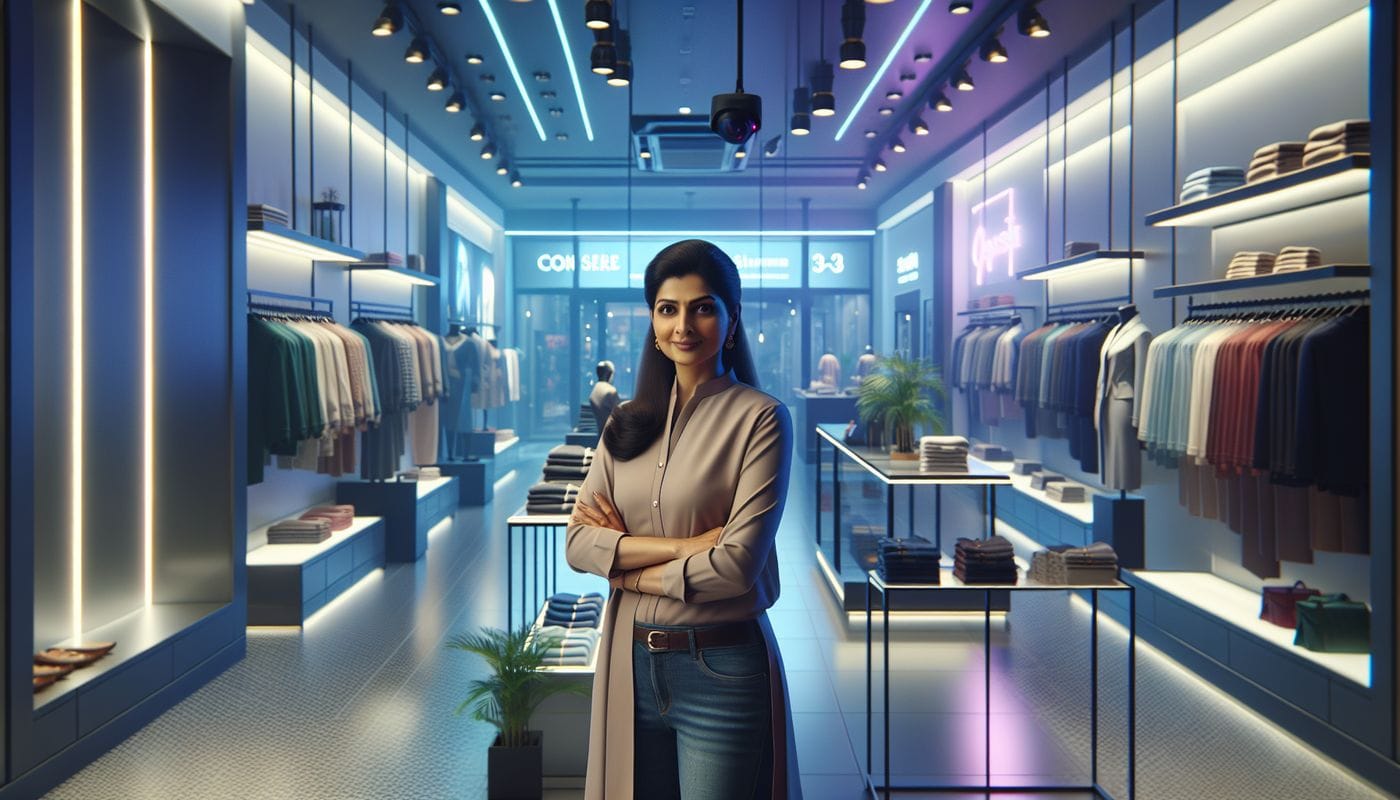
Multi-Store Vision AI Loss Prevention: Cut Fashion Theft 65% India 2026
Table of Contents
- Introduction
- The Problem Indian Fashion Retailers Face
- The Solution: Vision AI Loss Prevention Systems
- Key Features of Effective Vision AI Systems
- How Commmerce Helps with Integrated Loss Prevention
- Conclusion
- FAQs
TL;DR
- Multi-store vision AI loss prevention systems can reduce fashion retail theft by up to 65% through real-time behavior analysis and automated alerts.
- Indian fashion retailers lose an average of 2.5-4% of revenue to theft annually, making AI-powered loss prevention a critical investment for multi-store chains.
- Modern vision AI focuses on suspicious behavior patterns rather than facial recognition, ensuring privacy compliance while delivering accurate theft detection.
- Integration with omnichannel retail platforms like Commmerce provides unified inventory tracking and loss prevention across all store locations.
Introduction
Multi-store vision AI loss prevention has emerged as a game-changing technology for Indian fashion retailers struggling with theft and shrinkage across multiple locations. Fashion retail chains across India are implementing AI-powered surveillance systems that can identify suspicious behavior patterns and prevent theft incidents before they occur.
With fashion retailers in India facing inventory shrinkage rates of 2.5-4% annually, the financial impact of theft runs into crores of rupees for multi-store chains. Vision AI technology offers a proactive solution that goes beyond traditional CCTV monitoring by analyzing customer behavior in real-time and alerting staff to potential theft incidents.
The Problem Indian Fashion Retailers Face
Indian fashion retailers operating multiple stores face significant challenges with theft prevention and inventory shrinkage. Traditional security measures often fall short of protecting high-value merchandise across different locations, leading to substantial revenue losses.
The primary challenges include:
High-Value Target Items: Fashion accessories, branded apparel, and designer pieces are particularly vulnerable to theft due to their high resale value and compact size. Items like watches, jewelry, sunglasses, and premium clothing attract organized retail criminals.
Staff Limitations: Human staff cannot monitor every corner of the store simultaneously, especially during peak hours when stores are crowded. A single staff member managing multiple customers creates blind spots that shoplifters exploit.
Inconsistent Security Across Locations: Multi-store chains struggle to maintain uniform security standards across all branches. Some locations may have better surveillance while others remain vulnerable, creating weak links in the overall security strategy.
Late Detection: Traditional CCTV systems only provide evidence after theft has occurred, offering little value for prevention. By the time theft is discovered through inventory audits, the merchandise is already gone and recovery becomes nearly impossible.
Fashion retailers in India lose ₹15,000-₹50,000 per store monthly to theftAccording to industry estimates from retail security associations
Organized Retail Crime: Professional shoplifting gangs target fashion stores systematically, using distraction techniques and coordinated efforts to steal high-value items. These organized groups often hit multiple stores in a chain, causing widespread losses.
Employee Theft: Internal theft by employees accounts for approximately 40% of retail shrinkage in India. Staff members with access to inventory and cash handling systems pose significant risks without proper monitoring systems in place.
The Solution: Vision AI Loss Prevention Systems
Vision AI loss prevention systems use advanced computer vision technology to monitor customer and employee behavior in real-time, identifying suspicious activities that indicate potential theft. These systems analyze movement patterns, detect concealment behaviors, and alert store staff to intervene before theft occurs.
Unlike traditional surveillance systems that require human monitoring, vision AI operates autonomously and can simultaneously track multiple individuals across different areas of the store. The technology focuses on behavioral analysis rather than facial recognition, ensuring privacy compliance while delivering effective theft prevention.
How Vision AI Works:
The system uses strategically placed cameras equipped with AI processors that analyze video feeds in real-time. Machine learning algorithms trained on thousands of theft scenarios can recognize suspicious behaviors such as concealing items, removing tags, or coordinated distractions.
When suspicious activity is detected, the system immediately sends alerts to store staff through mobile apps or dashboard notifications. This enables immediate intervention, often deterring theft attempts simply through increased staff attention.
💡Pro TipPosition AI cameras at key chokepoints like fitting rooms, exits, and high-value merchandise areas for maximum theft prevention coverage with minimal hardware investment.
Privacy-First Approach:
Modern vision AI systems prioritize customer privacy by focusing on behavior patterns rather than personal identification. The technology analyzes actions and movements without storing facial data or personal information, ensuring compliance with Indian privacy regulations.
This approach builds customer trust while maintaining effective security, as shoppers feel comfortable knowing their privacy is protected while the store remains secure from theft.
Key Features of Effective Vision AI Systems
Real-Time Behavior Analysis
Effective vision AI systems analyze customer behavior in real-time, identifying patterns that indicate potential theft. The technology recognizes actions like concealing items in bags, removing security tags, or loitering in specific areas for extended periods.
Advanced algorithms can differentiate between normal shopping behavior and suspicious activities, reducing false alarms while ensuring genuine threats are detected promptly. This real-time analysis enables immediate intervention before theft occurs.
Multi-Store Dashboard Integration
For fashion retailers operating multiple locations, centralized monitoring through a unified dashboard is essential. Vision AI systems should integrate with existing retail management platforms to provide comprehensive security oversight across all stores.
Store managers and security teams can monitor multiple locations simultaneously, identify patterns across different stores, and coordinate responses to organized retail crime targeting multiple branches.
Automated Alert Systems
When suspicious activity is detected, the system should automatically notify relevant staff through multiple channels including mobile apps, SMS, or dashboard notifications. These alerts should include specific details about the incident location and nature of suspicious behavior.
Automated alerts ensure rapid response times, with staff able to approach customers naturally and provide assistance, often deterring theft attempts without confrontation.
Multi-store vision AI loss prevention inventory integration
The most effective vision AI systems integrate with inventory management platforms to correlate theft incidents with actual stock discrepancies. This integration helps validate AI alerts and provides comprehensive loss prevention analytics.
When integrated with omnichannel retail systems, vision AI can track theft patterns across different channels and locations, providing valuable insights for optimizing security strategies.
Historical Analytics and Reporting
Vision AI systems should provide detailed analytics on theft patterns, peak risk times, and vulnerable store areas. This data helps retailers optimize staff scheduling, adjust store layouts, and implement targeted security measures.
Historical reporting also helps measure the ROI of loss prevention investments and identify trends that inform future security strategies.
| Feature | Traditional CCTV | Vision AI System |
|---|---|---|
| Theft Detection | After incident occurs | Real-time prevention |
| Staff Monitoring | Requires human oversight | Automated alerts |
| Accuracy | Depends on operator attention | 85-95% accuracy rate |
| Coverage | Limited to recorded areas | Comprehensive behavioral analysis |
How Commmerce Helps with Integrated Loss Prevention
Commmerce, as an Omnichannel Retail Operating System, provides integrated loss prevention capabilities that work seamlessly with vision AI systems to protect fashion retailers across all channels and locations.
The platform's unified approach to retail operations enables comprehensive loss prevention strategies that traditional POS systems like Vyapar, Marg ERP, or TallyPrime cannot match. By connecting inventory, sales, and security data in one system, retailers gain complete visibility into potential loss sources.
Real-Time Inventory Tracking:
Commmerce's centralized inventory management system tracks stock levels across all store locations in real-time, making it easy to identify discrepancies that may indicate theft. When integrated with vision AI systems, retailers can correlate inventory losses with specific incidents and timeframes.
This integration helps validate AI alerts and provides concrete evidence of theft, enabling more effective loss prevention strategies and accurate shrinkage reporting.
Multi-Store Security Dashboard:
The platform provides a unified dashboard where retailers can monitor security alerts, inventory discrepancies, and theft incidents across all store locations. This centralized approach enables rapid response to security threats and coordinated prevention efforts.
Store managers can track patterns across different locations, identify high-risk periods, and implement targeted security measures based on comprehensive data analysis.
Staff Management and Access Control:
Commmerce includes role-based access control that helps prevent employee theft by limiting system access based on job responsibilities. The platform tracks all transactions and inventory movements, creating audit trails that deter internal theft.
Integration with vision AI systems provides additional oversight of employee activities, ensuring comprehensive protection against both external and internal theft.
⚠️Watch OutDon't implement vision AI without integrating it with your inventory management system, as isolated security data provides limited value for comprehensive loss prevention.
Automated Loss Prevention Reporting:
The platform generates detailed reports on shrinkage patterns, theft incidents, and loss prevention effectiveness across all locations. These analytics help retailers measure ROI on security investments and optimize their loss prevention strategies.
Unlike disconnected systems, Commmerce correlates sales data, inventory movements, and security incidents to provide comprehensive insights into loss prevention performance.
For fashion retailers serious about reducing theft and protecting their inventory investment, implementing comprehensive theft prevention strategies across all channels is essential.
Running a retail business in India?See how Commmerce unifies your stores, inventory, orders and delivery in one platform.Schedule a Free Demo
The integration capabilities extend to returns fraud prevention and comprehensive surveillance systems, creating a complete loss prevention ecosystem for multi-store fashion retailers.
Conclusion
Multi-store vision AI loss prevention represents a transformative opportunity for Indian fashion retailers to significantly reduce theft and protect their bottom line. With the ability to cut fashion theft by up to 65%, these systems provide substantial ROI while maintaining customer privacy and shopping experience.
The key to success lies in choosing integrated solutions that work seamlessly with existing retail operations rather than implementing isolated security systems. Platforms like Commmerce that combine vision AI capabilities with comprehensive inventory management and multi-store oversight provide the most effective loss prevention strategies.
As retail theft continues to evolve, fashion retailers who invest in advanced loss prevention technologies will maintain competitive advantages through better margins and inventory protection. The integration of vision AI systems with inventory management creates comprehensive protection that addresses both external threats and operational inefficiencies.
FAQs
Q: How does vision AI loss prevention work in fashion retail stores?
A: Vision AI loss prevention uses computer vision cameras to monitor customer behavior, detect suspicious activities like concealing items, and alert store staff in real-time about potential theft incidents.
Q: What is the cost of implementing vision AI loss prevention in multiple stores?
A: Vision AI loss prevention systems typically cost ₹50,000 to ₹2,00,000 per store depending on store size and number of cameras, with cloud-based solutions offering monthly subscription models starting from ₹15,000 per store.
Q: Can vision AI prevent theft without violating customer privacy in India?
A: Yes, modern vision AI systems analyze behavior patterns without storing personal data or facial recognition, focusing on actions like concealing items rather than identifying individuals, ensuring compliance with Indian privacy regulations.
Q: Which fashion retailers in India benefit most from vision AI loss prevention?
A: Multi-store fashion chains with 5+ locations selling high-value items like branded apparel, accessories, and footwear see maximum ROI from vision AI, especially stores experiencing shrinkage above 2% of revenue.
Q: How accurate is vision AI in detecting actual theft vs false alarms?
A: Advanced vision AI systems achieve 85-95% accuracy in theft detection with proper calibration, reducing false alarms to less than 5% while catching genuine theft attempts that human staff typically miss.
Disclaimer: This article is for general informational purposes only and does not constitute legal, financial, or tax advice. GST rules, compliance requirements, and platform features may change over time. Please verify the latest guidelines with a qualified professional or refer to official sources such as the GSTN or CBIC. Market statistics mentioned are based on publicly available estimates and may not reflect current figures. Commmerce product features referenced are accurate at the time of writing and subject to change.