Complete Guide to POS Systems for Indian Retailers (2026)
POS system India retail billing software has become the backbone of modern retail operations across the country. As Indian retail continues its digital transformation journey, having the right POS system India retail billing software is no longer optional but essential for business survival and growth. This comprehensive guide explores everything Indian retailers need to know about POS systems and billing software, from understanding the basics to implementing advanced features that drive customer satisfaction and business success. Whether you're running a small kirana store or managing a multi-location retail chain, the right POS system India retail billing software can streamline operations, reduce errors, and provide valuable insights into your business performance.
Table of Contents
- What is POS and Billing?
- Why POS and Billing Matters for Indian Retailers
- Key Components of POS and Billing
- How to Implement POS and Billing in Your Retail Business
- Common Mistakes Indian Retailers Make
- How Commmerce Helps with POS and Billing
- Frequently Asked Questions
What is POS and Billing?
Point of Sale (POS) systems represent the technological hub where retail transactions occur. A POS system India retail billing software combines hardware and software components to process sales, manage inventory, handle payments, and generate receipts. Unlike traditional cash registers, modern POS systems offer comprehensive retail management capabilities that extend far beyond simple transaction processing.
Billing software within POS systems handles invoice generation, tax calculations, payment processing, and receipt printing. For Indian retailers, this means automatic GST calculations, compliance with regulatory requirements, and seamless integration with accounting systems. The billing component ensures accurate financial records while providing customers with professional receipts and invoices.
Modern POS systems have evolved into comprehensive retail management platforms that integrate with inventory management, customer relationship management, and business analytics. This evolution makes POS system India retail billing software a critical investment for retailers looking to modernize their operations and compete effectively in today's market.
Why POS and Billing Matters for Indian Retailers
The Indian retail landscape presents unique challenges that make robust POS systems essential. With GST compliance requirements, diverse payment preferences, and increasing customer expectations, retailers need sophisticated systems to manage their operations effectively.
Efficiency gains represent one of the most immediate benefits of implementing POS system India retail billing software. Automated calculations reduce human errors, faster checkout processes improve customer satisfaction, and integrated inventory tracking prevents stockouts and overstocking. These efficiency improvements directly translate to increased revenue and reduced operational costs.
Compliance with Indian tax regulations, particularly GST, requires accurate documentation and reporting. POS systems automatically calculate taxes, generate compliant invoices, and maintain detailed transaction records that simplify tax filing and audit processes. This automation reduces compliance risks and saves significant administrative time.
Customer experience enhancement through modern POS systems includes faster checkout times, multiple payment options, digital receipts, and loyalty program integration. Indian consumers increasingly expect seamless shopping experiences, and retailers without modern POS capabilities risk losing customers to competitors.
Business insights generated by POS systems provide retailers with valuable data about sales trends, customer preferences, inventory turnover, and seasonal patterns. This information enables data-driven decision making that can significantly improve profitability and operational efficiency.
Key Components of POS and Billing
Hardware Components
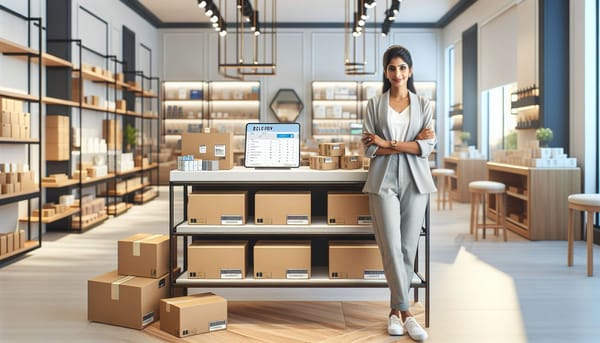
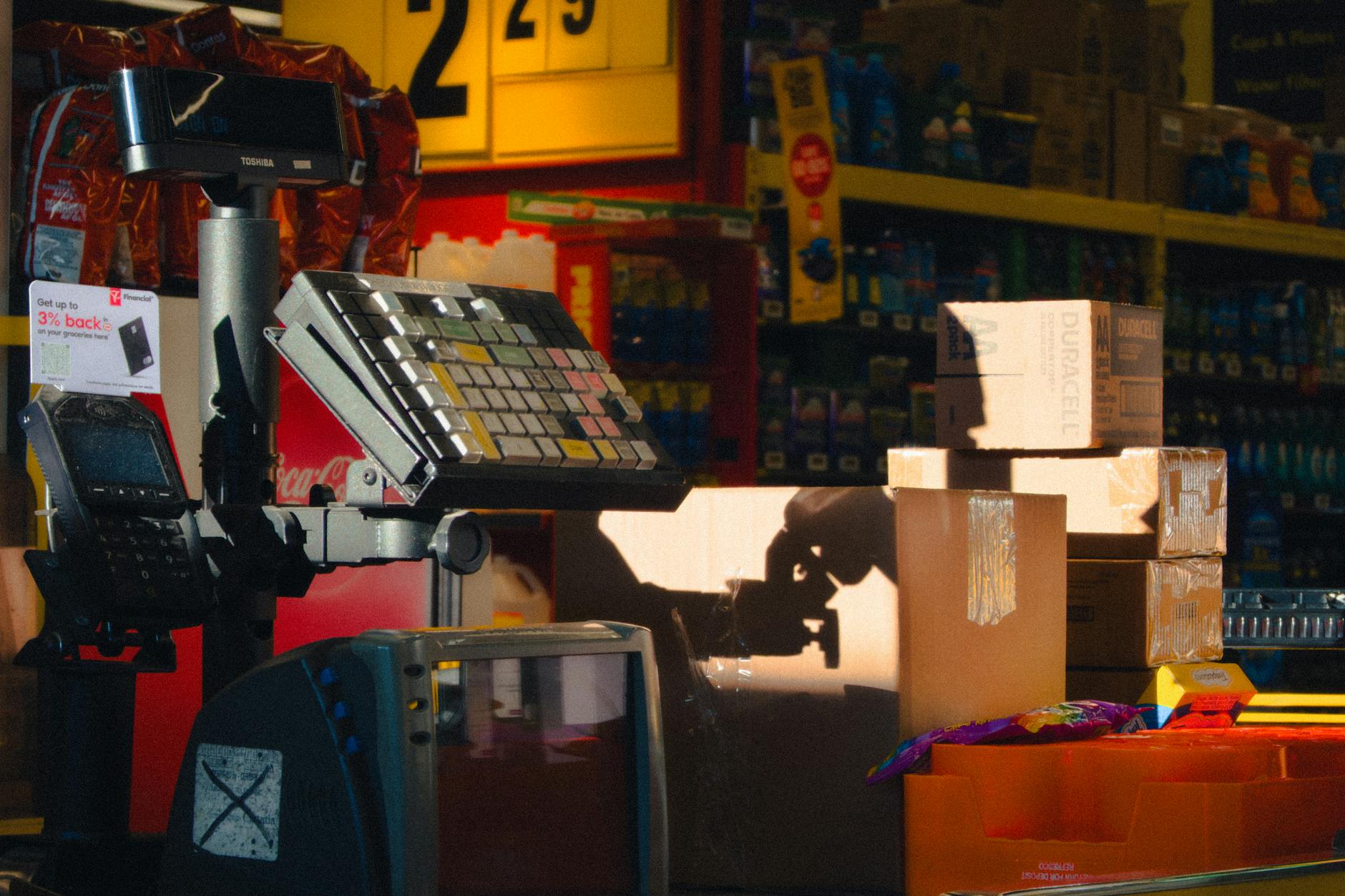
The hardware foundation of any POS system includes essential components that facilitate smooth operations. Tablets or computers serve as the primary interface, while barcode scanners enable quick product identification and pricing. Receipt printers provide customers with transaction records, and cash drawers secure cash transactions.
Payment terminals have become increasingly important as digital payments grow in India. Modern POS systems support card readers, UPI QR codes, mobile wallets, and contactless payments. This payment flexibility meets diverse customer preferences while reducing cash handling requirements.
Additional hardware considerations include label printers for pricing and inventory management, scales for weight-based products, and customer displays for transparent pricing. The specific hardware requirements depend on business type, size, and customer needs.
Software Features
The software component of POS system India retail billing software determines functionality and user experience. Core features include product catalog management, pricing controls, discount applications, and tax calculations. Advanced features encompass inventory tracking, customer management, and sales reporting.
Integration capabilities allow POS systems to connect with accounting software, e-commerce platforms, and supplier systems. This integration creates a unified retail ecosystem that eliminates data silos and improves operational efficiency.
User interface design significantly impacts adoption and efficiency. Intuitive interfaces reduce training time, minimize errors, and enable faster transactions. Customizable interfaces allow retailers to tailor the system to their specific workflow requirements.
Inventory Management
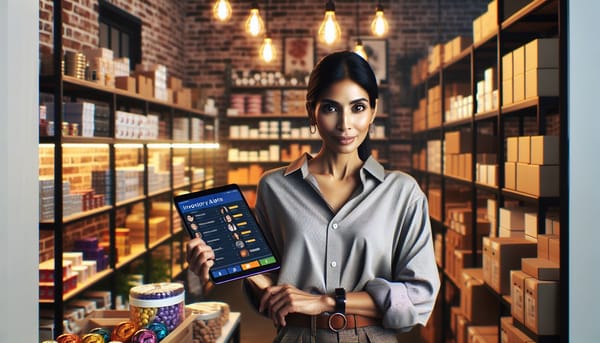
Real-time inventory tracking represents a crucial component of modern POS systems. Automatic stock updates after each sale prevent overselling and provide accurate availability information. Low stock alerts enable proactive reordering, while detailed inventory reports identify fast-moving and slow-moving products.
Multi-location inventory management becomes essential for retailers with multiple stores. Centralized inventory visibility enables efficient stock transfers, coordinated purchasing, and consistent product availability across locations.
Supplier integration through POS systems can automate reordering processes, track delivery schedules, and manage vendor relationships. This integration streamlines procurement while ensuring optimal stock levels.
Payment Processing
Comprehensive payment processing capabilities accommodate the diverse payment preferences of Indian consumers. Cash transactions require secure handling and accurate change calculations, while digital payments need seamless processing and immediate confirmation.
UPI integration has become essential for Indian retailers, as UPI transactions continue growing rapidly. QR code generation, transaction verification, and settlement tracking ensure smooth UPI operations.
Split payments and partial payments provide flexibility for customers while maintaining accurate transaction records. Credit and layaway options can be integrated into POS systems to support different customer financial needs.
Reporting and Analytics
Comprehensive reporting capabilities transform transaction data into actionable business insights. Daily, weekly, and monthly sales reports provide performance visibility, while product-wise analysis identifies bestsellers and underperformers.
Customer analytics help retailers understand purchasing patterns, preferences, and loyalty trends. This information enables targeted marketing campaigns and personalized customer experiences that drive repeat business.
Financial reporting integration with accounting systems ensures accurate bookkeeping while providing real-time profitability analysis. Tax reporting features simplify compliance with Indian regulatory requirements.
How to Implement POS and Billing in Your Retail Business
Successful POS implementation begins with thorough business requirements analysis. Assess current operations, identify pain points, and define success criteria. Consider factors such as transaction volume, product complexity, staff technical skills, and budget constraints.
System selection should align with business needs while considering scalability for future growth. Evaluate multiple vendors, request demonstrations, and check references from similar businesses. Consider total cost of ownership, including hardware, software, training, and ongoing support costs.
Data migration planning ensures smooth transition from existing systems. Product catalogs, customer information, and historical data need careful migration to maintain business continuity. Backup existing data and test migration processes thoroughly before go-live.
Staff training represents a critical success factor for POS implementation. Comprehensive training programs should cover system operation, troubleshooting, and customer service aspects. Ongoing training ensures staff remain current with system updates and new features.
Phased rollout minimizes implementation risks while allowing for adjustments based on initial experience. Start with core functionality, gradually adding advanced features as staff become comfortable with the system. Monitor performance closely and address issues promptly.
Integration testing with existing systems prevents operational disruptions. Test connections with accounting software, e-commerce platforms, and payment processors. Verify data accuracy and transaction processing before full deployment.
Common Mistakes Indian Retailers Make
Underestimating training requirements leads to poor adoption and operational inefficiencies. Many retailers assume staff will quickly adapt to new systems without adequate training. Insufficient training results in errors, slower transactions, and frustrated employees and customers.
Ignoring integration needs creates data silos that reduce system effectiveness. Retailers often select POS systems without considering integration with existing accounting, inventory, or e-commerce systems. Poor integration leads to manual data entry, errors, and inefficiencies.
Choosing the cheapest option without considering functionality and support requirements often proves expensive in the long run. Low-cost systems may lack essential features, provide poor support, or require expensive customizations later.
Inadequate backup and security measures expose retailers to data loss and security breaches. Many small retailers neglect regular backups, security updates, and access controls. These oversights can result in catastrophic data loss or security incidents.
Failing to plan for growth limits system scalability and requires expensive system changes later. Retailers should select POS systems that can accommodate business expansion, additional locations, and increased transaction volumes.
Neglecting compliance requirements, particularly GST regulations, can result in penalties and audit issues. POS systems must accurately handle tax calculations, maintain proper records, and generate compliant reports.
How Commmerce Helps with POS and Billing
Commmerce transforms traditional POS limitations through its comprehensive Omnichannel Retail Operating System designed specifically for Indian retailers. Unlike standalone billing applications, Commmerce integrates POS functionality within a complete retail ecosystem that unifies online and offline operations.
The platform provides sophisticated POS capabilities with automatic GST calculations, multi-payment processing, and real-time inventory synchronization across all sales channels. Indian retailers benefit from built-in compliance features that simplify tax reporting and regulatory adherence.
Inventory management excellence through Commmerce enables retailers to maintain optimal stock levels while reducing carrying costs. Real-time synchronization between online and offline channels prevents overselling while providing customers with accurate product availability information.
Customer experience enhancement through unified customer profiles allows retailers to provide personalized service regardless of purchase channel. Loyalty programs, purchase history, and preferences are accessible at every touchpoint, creating seamless customer experiences that drive retention.
Advanced analytics and reporting capabilities provide retailers with comprehensive business insights that drive informed decision making. From sales performance to customer behavior analysis, Commmerce delivers the intelligence needed to optimize operations and maximize profitability.
Scalable architecture ensures that growing retailers can expand their operations without system limitations. Multi-location support, unlimited product catalogs, and flexible user management accommodate businesses of all sizes while maintaining consistent performance.
Conclusion
Implementing the right POS system India retail billing software represents a crucial investment for modern retailers. The benefits extend far beyond simple transaction processing to encompass inventory management, customer experience enhancement, and business intelligence that drives growth and profitability.
Success requires careful planning, appropriate system selection, comprehensive training, and ongoing optimization. Retailers who invest in robust POS solutions while avoiding common implementation mistakes position themselves for sustained success in India's competitive retail environment.
The future of retail belongs to businesses that embrace technology to create superior customer experiences while optimizing operational efficiency. Modern POS systems provide the foundation for this transformation, enabling retailers to compete effectively and grow sustainably.
Frequently Asked Questions
Q: What is the average cost of POS system India retail billing software?
A: POS system costs in India vary widely based on features and scale. Basic systems start around ₹15,000-30,000, while comprehensive solutions range from ₹50,000-200,000. Cloud-based systems often use monthly subscription models ranging from ₹2,000-10,000 per month.
Q: How does GST compliance work in POS systems for Indian retailers?
A: Modern POS systems automatically calculate GST based on product categories and customer types. They generate GST-compliant invoices, maintain detailed tax records, and provide reports for filing returns. The system should support all GST rates and handle interstate transactions correctly.
Q: Can POS systems integrate with popular Indian payment methods like UPI?
A: Yes, most modern POS systems support UPI integration along with other popular payment methods like credit/debit cards, mobile wallets, and digital payment platforms. This integration enables seamless payment processing and automatic transaction reconciliation.
Q: What happens if my POS system goes down during business hours?
A: Reliable POS systems include offline mode capabilities that allow continued operations during internet outages. Transactions are stored locally and synchronized when connectivity returns. Additionally, proper backup systems and support services minimize downtime impact.
Q: How long does it take to implement a new POS system?
A: POS implementation timeframes vary based on business complexity and system features. Simple setups can be completed in 1-2 weeks, while comprehensive implementations with extensive customization may take 4-8 weeks. Proper planning and training are essential for successful deployment.
Q: Do I need different POS systems for online and offline sales?
A: Traditional POS systems typically handle only offline sales, requiring separate e-commerce platforms. However, modern omnichannel retail operating systems like Commmerce unify online and offline operations, providing integrated inventory management and customer experiences across all channels.
Disclaimer: This article is for general informational purposes only and does not constitute legal, financial, or tax advice. Verify with official sources such as GSTN. Commmerce product features are accurate at time of writing and subject to change.