Complete Guide to Retail Hardware for Indian Store Owners (2026)
Setting up the right barcode scanner receipt printer retail hardware India setup is crucial for modern Indian retailers looking to streamline operations and enhance customer experience. From small kirana stores to large retail chains, the right hardware foundation determines your store's efficiency, accuracy, and scalability. This comprehensive guide explores everything Indian store owners need to know about retail hardware in 2026, covering essential components like barcode scanners, receipt printers, cash drawers, and point-of-sale terminals. Whether you're upgrading existing systems or setting up a new store, understanding retail hardware fundamentals will help you make informed decisions that drive growth and operational excellence.
Table of Contents
- What is Retail Hardware?
- Why Retail Hardware Matters for Indian Retailers
- Key Components of Retail Hardware
- How to Implement Retail Hardware in Your Retail Business
- Common Mistakes Indian Retailers Make
- How Commmerce Helps with Retail Hardware
- Conclusion
- Frequently Asked Questions
What is Retail Hardware?
Retail hardware encompasses all the physical devices and equipment that enable smooth store operations, from processing transactions to managing inventory. Unlike software solutions that run on computers or mobile devices, retail hardware includes tangible components like barcode scanners, receipt printers, cash registers, payment terminals, and digital displays.
In the Indian retail context, hardware serves as the backbone of modern commerce, bridging the gap between traditional shopping experiences and digital efficiency. These devices work together to create an integrated ecosystem that handles everything from product scanning and price verification to payment processing and inventory tracking.
Modern retail hardware has evolved significantly, with many devices now featuring wireless connectivity, cloud integration, and compatibility with multiple operating systems. This evolution has made sophisticated retail technology accessible to businesses of all sizes across India, from neighborhood stores in tier-3 cities to premium outlets in metropolitan areas.
Why Retail Hardware Matters for Indian Retailers
The Indian retail landscape is experiencing rapid digitization, with consumers expecting faster, more accurate service regardless of store size or location. Proper retail hardware implementation directly impacts customer satisfaction, operational efficiency, and business growth potential.
Speed and accuracy are paramount in today's competitive market. Manual billing processes that once seemed adequate now create bottlenecks during peak hours, leading to longer queues and frustrated customers. Modern barcode scanners and receipt printers can process transactions in seconds, dramatically reducing wait times and improving the overall shopping experience.
Inventory management becomes significantly more reliable with proper hardware integration. Real-time stock tracking through barcode scanning helps prevent stockouts and overordering, directly impacting profitability. This is particularly crucial for Indian retailers dealing with diverse product ranges and fluctuating demand patterns.
Compliance with GST regulations and digital payment requirements has made reliable receipt printing and transaction recording essential for Indian businesses. Hardware solutions ensure accurate tax calculations, proper invoice formatting, and seamless integration with accounting systems.
Data analytics capabilities enabled by modern retail hardware provide valuable insights into customer behavior, peak shopping times, and product performance, helping retailers make informed business decisions and optimize operations.
Key Components of Retail Hardware
Barcode Scanners: The Foundation of Modern Retail
Barcode scanners have become indispensable for Indian retailers, offering unmatched accuracy and speed in product identification and pricing. Modern scanners come in various forms: handheld devices for flexibility, presentation scanners for high-volume checkout, and cordless models for inventory management.
When selecting barcode scanners for Indian retail environments, consider durability and performance in varying conditions. Many Indian stores face challenges like dust, humidity, and heavy usage, making rugged scanners with good dust and moisture resistance essential. Look for scanners that can read damaged or poorly printed barcodes, as product packaging quality can vary significantly.
Advanced scanners now support multiple barcode formats including QR codes, enabling integration with digital payment systems and customer loyalty programs. This versatility is particularly valuable as Indian consumers increasingly embrace digital solutions.
Receipt Printers: Ensuring Compliance and Customer Satisfaction
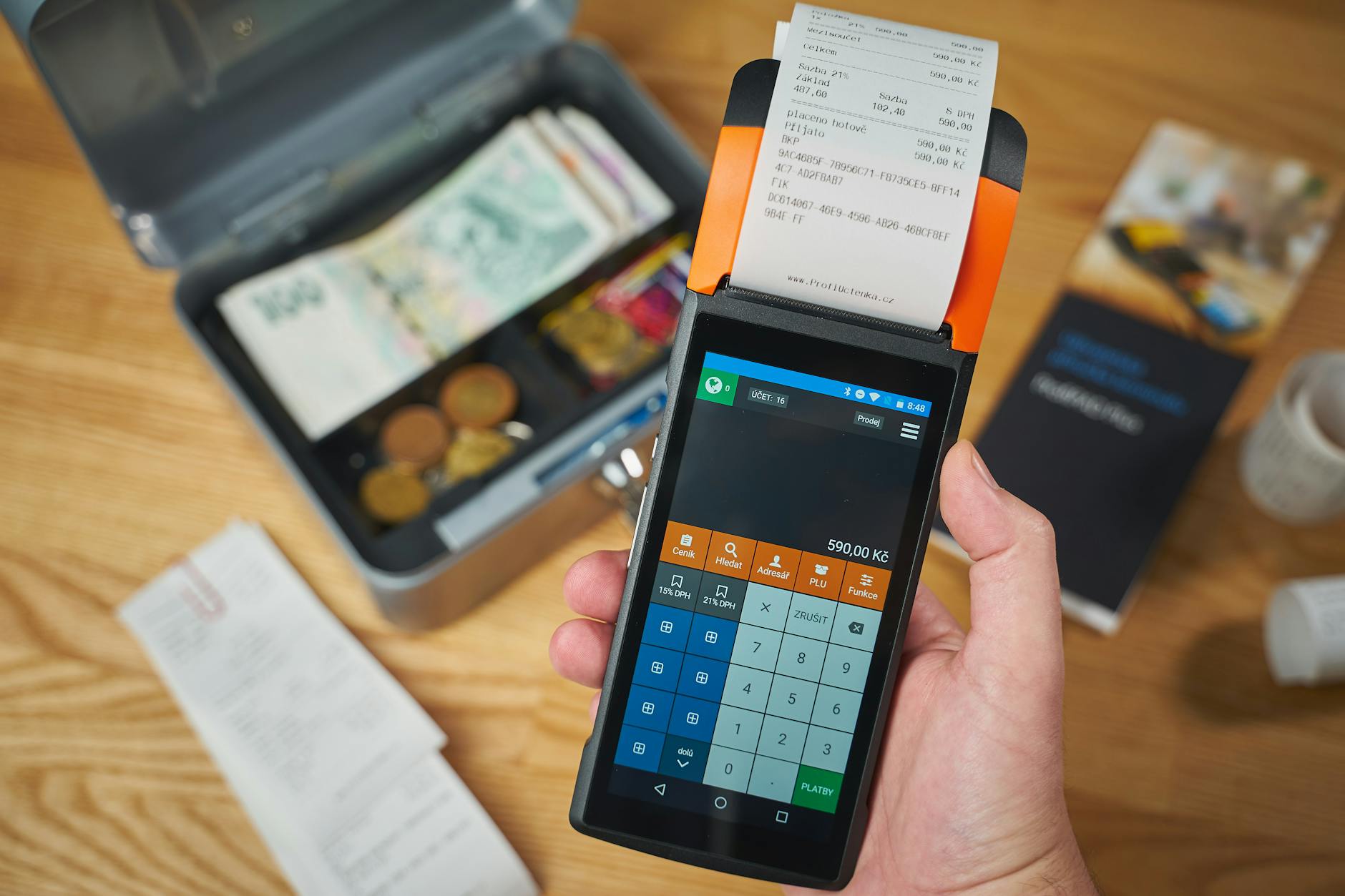
Receipt printers serve dual purposes: providing customers with transaction records and ensuring GST compliance for businesses. Thermal printers dominate the Indian market due to their reliability, speed, and low maintenance requirements compared to traditional dot matrix printers.
Key considerations for Indian retailers include print quality, paper compatibility, and connectivity options. Many modern receipt printers offer both USB and wireless connectivity, enabling flexible setup configurations. Auto-cutter functionality reduces manual intervention and improves customer service efficiency.
For businesses requiring carbon copies or operating in areas with frequent power fluctuations, impact printers remain viable options. However, thermal printers' silent operation and faster printing speeds make them preferable for most retail environments.
Point of Sale Terminals and Displays
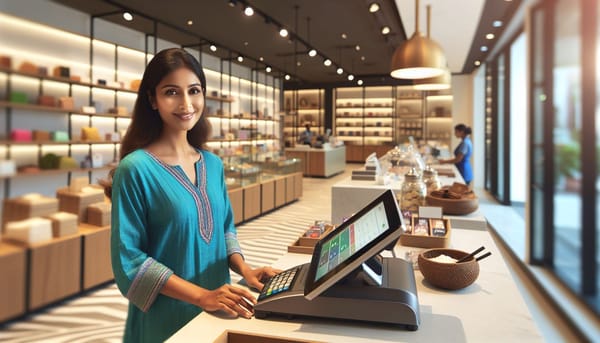
POS terminals serve as the central hub for transaction processing, integrating with scanners, printers, and payment systems. Modern terminals range from traditional desktop systems to tablet-based solutions, offering varying levels of functionality and mobility.
Customer-facing displays have gained popularity in Indian retail, providing transparency in billing and reducing disputes. These secondary screens show item names, prices, and running totals, building customer trust and improving service quality.
Touch screen capabilities enable intuitive operation, reducing training time for staff and minimizing errors during transaction processing. This is particularly beneficial for retailers with high staff turnover or seasonal employees.
Cash Management Solutions
Despite the growth of digital payments, cash remains significant in Indian retail. Electronic cash drawers with automatic opening mechanisms improve security and reduce manual handling errors. These drawers integrate with POS systems to open only during legitimate transactions, maintaining cash security.
Cash counting machines and counterfeit detection devices are becoming essential for medium and large retailers, reducing manual counting time and eliminating fake currency risks. These tools are particularly valuable in high-cash-volume businesses.
Payment Processing Hardware
Card readers and mobile payment terminals are essential for accepting digital payments, which continue growing in India. Modern payment terminals support multiple payment methods including contactless cards, mobile wallets, and UPI payments.
Integration capabilities with existing POS systems ensure seamless transaction processing and automatic reconciliation. Look for devices certified by major payment processors and banks to ensure compliance and reliability.
How to Implement Retail Hardware in Your Retail Business
Successful retail hardware implementation requires careful planning, starting with a thorough assessment of current operations and future growth projections. Begin by analyzing transaction volumes, product categories, and operational pain points to identify the most critical hardware needs.
Budget planning should account for both initial hardware costs and ongoing expenses like maintenance, supplies, and potential upgrades. Consider total cost of ownership rather than just upfront prices, as reliable hardware with good support often provides better long-term value.
Choose hardware that integrates seamlessly with your retail management software. Compatibility issues can create significant operational challenges and additional costs. Ensure all components work together effectively before making final purchasing decisions.
Staff training is crucial for successful implementation. Plan comprehensive training sessions covering basic operations, troubleshooting, and maintenance procedures. Well-trained staff can maximize hardware efficiency and identify potential issues before they become serious problems.
Gradual rollout approaches often work better than complete system overhauls, especially for established businesses. Start with the most critical components and expand systematically, allowing staff to adapt and processes to stabilize between phases.
Establish relationships with reliable service providers for ongoing maintenance and support. Quick response times for repairs and maintenance are essential to minimize business disruptions and maintain customer service levels.
Common Mistakes Indian Retailers Make
One of the most frequent mistakes is prioritizing initial cost over long-term reliability and functionality. Cheap hardware often leads to frequent breakdowns, higher maintenance costs, and poor customer experiences that ultimately cost more than investing in quality equipment initially.
Inadequate research into compatibility requirements causes significant problems when hardware doesn't integrate properly with existing systems. Always verify compatibility before purchasing, and consider consulting with technical experts when dealing with complex integrations.
Underestimating training requirements leads to poor hardware utilization and frequent operational issues. Many retailers assume staff will quickly adapt to new systems without proper training, resulting in inefficient operations and potential hardware damage.
Ignoring scalability needs creates problems as businesses grow. Hardware that works well for current operations may become inadequate as transaction volumes increase or new product lines are added. Plan for growth when making hardware decisions.
Poor maintenance practices significantly reduce hardware lifespan and reliability. Regular cleaning, software updates, and preventive maintenance are essential for optimal performance and longevity.
Overlooking security considerations can expose businesses to fraud and data breaches. Ensure all payment processing hardware meets current security standards and maintain regular security updates.
How Commmerce Helps with Retail Hardware
Commmerce's Omnichannel Retail Operating System seamlessly integrates with a wide range of retail hardware, providing Indian retailers with a comprehensive solution that maximizes their hardware investments. Our platform supports all major barcode scanner and receipt printer brands, ensuring compatibility regardless of your existing equipment.
Our hardware integration expertise helps retailers choose the right combination of devices for their specific needs and budget constraints. We provide detailed compatibility assessments and recommendations based on your business requirements, ensuring optimal performance and return on investment.
Real-time synchronization between hardware devices and our cloud-based platform ensures accurate inventory tracking, streamlined billing processes, and comprehensive reporting capabilities. This integration eliminates data silos and provides a unified view of your retail operations.
Commmerce offers comprehensive support for hardware setup, configuration, and ongoing maintenance coordination. Our technical team works with your hardware vendors to ensure smooth implementation and optimal performance throughout your hardware lifecycle.
Advanced analytics capabilities leverage data from all integrated hardware devices, providing insights into operational efficiency, customer behavior, and business performance. These insights help retailers make informed decisions about future hardware investments and operational improvements.
Conclusion
Investing in the right retail hardware foundation is essential for success in India's competitive retail environment. From barcode scanners and receipt printers to comprehensive POS systems, each component plays a crucial role in delivering efficient, accurate, and satisfying customer experiences.
The key to successful hardware implementation lies in understanding your specific business needs, choosing compatible and scalable solutions, and ensuring proper staff training and ongoing maintenance. While the initial investment may seem significant, the long-term benefits in terms of operational efficiency, customer satisfaction, and business growth make quality retail hardware an essential investment.
As the Indian retail landscape continues evolving, staying updated with hardware innovations and maintaining flexible, scalable systems will help your business adapt and thrive in changing market conditions.
Frequently Asked Questions
Q: What is the average cost of setting up retail hardware for a small Indian store?
A: Basic retail hardware setup including a barcode scanner, receipt printer, and cash drawer typically costs between ₹25,000 to ₹50,000 for small stores. Costs vary based on brand, features, and additional requirements like payment terminals.
Q: How often should retail hardware be upgraded or replaced?
A: Most retail hardware should be evaluated for replacement every 3-5 years, depending on usage intensity and technological advances. Regular maintenance can extend hardware life, but outdated equipment may become inefficient or incompatible with newer software systems.
Q: Can retail hardware work without internet connectivity?
A: Yes, most basic retail hardware like barcode scanners and receipt printers can function offline. However, real-time inventory updates, cloud-based reporting, and digital payment processing require internet connectivity for optimal functionality.
Q: What should I look for when buying a barcode scanner for my Indian retail store?
A: Key factors include scan speed, durability in dusty conditions, ability to read damaged barcodes, connectivity options (USB, wireless), and compatibility with your POS system. Consider your store's scanning volume and environment when choosing between handheld and presentation scanners.
Q: Are thermal or dot matrix receipt printers better for Indian retail stores?
A: Thermal printers are generally better for most Indian retail environments due to faster printing, silent operation, and lower maintenance requirements. Dot matrix printers are suitable only when carbon copies are essential or in areas with extreme power fluctuations.
Q: How can I ensure my retail hardware complies with GST requirements?
A: Ensure your receipt printers can generate GST-compliant invoices with required fields like GSTIN, HSN codes, and tax breakdowns. Your POS system should integrate with GST-compliant software and maintain proper transaction records for tax reporting.
Disclaimer: This article is for general informational purposes only and does not constitute legal, financial, or tax advice. Verify with official sources such as GSTN. Commmerce product features are accurate at time of writing and subject to change.