Retail Hardware Selection Guide: POS vs All-in-One Systems India 2026
Table of Contents
- Introduction
- Quick Comparison Table
- Traditional POS Systems Breakdown
- All-in-One Systems Breakdown
- Head-to-Head Comparison
- Which Should Indian Retailers Choose?
- How Commmerce Goes Beyond Both
- Conclusion
- Frequently Asked Questions
TL;DR
- All-in-one systems offer integrated POS, inventory, and customer management in a single device, while traditional POS focuses only on billing and transactions.
- All-in-one systems typically cost ₹15,000-₹45,000 upfront versus ₹8,000-₹25,000 for traditional POS hardware, but provide better value for multi-store retailers.
- Indian retailers with 2-10 stores should choose all-in-one systems for integrated GST compliance, offline functionality, and unified inventory management.
- Modern omnichannel platforms like Commmerce go beyond both options by unifying stores, online channels, inventory, and delivery in one operating system.
Introduction: Retail Hardware Selection Guide for Indian Store Owners
Choosing between traditional POS systems and all-in-one retail systems is one of the most critical hardware decisions facing Indian retailers in 2026. With the rapid digitization of retail operations and increasing GST compliance requirements, store owners need hardware that goes beyond basic billing to support inventory management, customer data, and multi-channel operations. Traditional POS systems focus primarily on transaction processing and billing, while all-in-one systems integrate multiple retail functions into a single hardware solution. For Indian retailers managing 2 to 50 stores, this choice impacts everything from daily operations to long-term scalability and compliance with Indian tax regulations.
Quick Comparison: POS vs All-in-One Systems
| Criteria | Traditional POS | All-in-One Systems |
|---|---|---|
| Hardware Cost | ₹8,000 - ₹25,000 | ₹15,000 - ₹45,000 |
| Monthly Software | ₹800 - ₹2,500 | ₹1,500 - ₹3,500 |
| Inventory Management | Basic or separate system | Fully integrated |
| GST Compliance | Software dependent | Built-in compliance |
| Multi-store Management | Requires additional setup | Native support |
| Offline Functionality | Limited | Offline-first design |
| Best For | Single stores, basic billing | Multi-store chains, integrated operations |
💡Pro TipCalculate total cost of ownership over 3 years, not just upfront hardware costs, as software licensing and integration expenses often exceed initial hardware investment.
Traditional POS Systems: Focused on Transactions
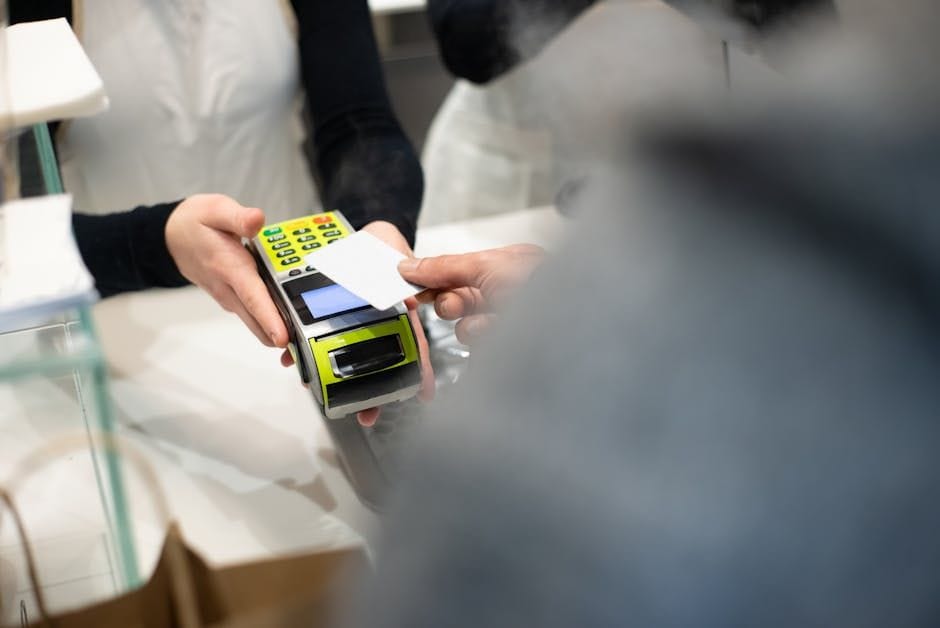
Traditional POS systems are purpose-built hardware devices designed primarily for processing sales transactions and generating bills. These systems typically consist of a cash register or terminal, barcode scanner, receipt printer, and cash drawer as separate components.
Hardware Components and Pricing
A typical traditional POS setup for Indian retailers includes: - **POS Terminal**: ₹5,000 - ₹15,000 (Android or Windows-based) - **Barcode Scanner**: ₹1,500 - ₹3,500 - **Receipt Printer**: ₹2,500 - ₹6,000 (thermal printers) - **Cash Drawer**: ₹1,200 - ₹2,500 - **Customer Display** (optional): ₹1,800 - ₹3,000 Total hardware investment ranges from ₹8,000 to ₹25,000 per terminal, making it attractive for budget-conscious retailers.
Software Integration and Limitations
Traditional POS hardware relies heavily on separate software solutions. Popular options for Indian retailers include Vyapar (₹800-₹1,200 monthly), Marg ERP (₹1,500-₹2,500 monthly), and TallyPrime (₹1,800-₹2,200 monthly). However, these often require additional modules for inventory management, customer relationship management, and GST compliance. Key limitations include: - Limited offline functionality during internet outages - Separate systems for inventory and customer management - Manual integration between POS and accounting software - Basic reporting capabilities - Complex setup for multi-store operations
All-in-One Systems: Integrated Retail Solution
All-in-one retail systems combine POS functionality with inventory management, customer database, reporting, and often ecommerce capabilities in a single hardware and software package. These systems are designed specifically for modern retail operations requiring integrated multi-channel management.
Integrated Hardware and Software Features
Modern all-in-one systems for Indian retailers typically include: - **Touchscreen Terminal**: 15-21 inch displays with integrated processors - **Built-in Barcode Scanner**: High-speed 2D scanners - **Integrated Printer**: 80mm thermal receipt printing - **Payment Integration**: UPI, card readers, and digital wallet support - **Customer Display**: Dual-screen setup for customer-facing information - **Cloud Connectivity**: Real-time data sync across locations Pricing ranges from ₹15,000 for basic models to ₹45,000 for premium systems with advanced features like RFID readers and biometric authentication.According to industry estimates, all-in-one systems reduce billing time by 40% compared to traditional POS setupsBased on retail efficiency studies in Indian markets
Native Integration Benefits
Unlike traditional POS systems requiring multiple software integrations, all-in-one solutions provide: - **Real-time Inventory Tracking**: Automatic stock updates across all channels - **Customer Management**: Built-in loyalty programs and purchase history - **GST Compliance**: Native e-invoice generation and GSTN integration - **Multi-store Dashboard**: Centralized management of all locations - **Offline-first Architecture**: Continuous operation during connectivity issues - **Automated Reporting**: Sales, inventory, and performance analytics
Price, Features, and India-Specific Support Comparison
Total Cost of Ownership Analysis
When comparing 3-year total costs for a typical 5-store Indian retail chain: **Traditional POS Setup:** - Hardware: ₹15,000 × 5 stores = ₹75,000 - Software licensing: ₹1,500 × 36 months × 5 stores = ₹2,70,000 - Integration and maintenance: ₹50,000 - **Total: ₹3,95,000** **All-in-One System:** - Hardware: ₹25,000 × 5 stores = ₹1,25,000 - Software (included): ₹2,000 × 36 months × 5 stores = ₹3,60,000 - Maintenance included - **Total: ₹4,85,000** While all-in-one systems cost approximately 20% more, they provide significantly more functionality and eliminate integration complexity.
India-Specific Compliance and Features
For Indian retail operations, compliance requirements make all-in-one systems particularly valuable: - **GST E-invoicing**: Automatic generation and GSTN portal integration - **UPI Integration**: Native support for PhonePe, Paytm, and Google Pay - **Local Language Support**: Hindi and regional language interfaces - **Indian Logistics**: Built-in integration with Delhivery, Shiprocket, and local delivery partners - **Power Backup Compatibility**: Designed for Indian power infrastructure challenges According to the Central Board of Indirect Taxes and Customs, proper GST compliance requires integrated systems that can handle e-invoice generation, which favors all-in-one solutions.
Which Should Indian Retailers Choose?
The choice between traditional POS and all-in-one systems depends primarily on business size, growth plans, and operational complexity. **Choose Traditional POS Systems if:** - Operating a single store with simple inventory needs - Budget constraints require minimal upfront investment - Existing accounting systems (like Tally) meet current needs - Technical team can handle multiple software integrations - Billing volume is low (under 50 transactions daily) **Choose All-in-One Systems if:** - Managing 2 or more store locations - Planning to expand online or add new channels - Need real-time inventory visibility across locations - Want simplified operations with single vendor support - Processing high transaction volumes (100+ daily) - Compliance requirements demand integrated reporting⚠️Watch OutMany retailers underestimate integration costs when choosing traditional POS, often spending 2-3x more than expected on connecting different software systems.For most Indian retailers with growth ambitions, all-in-one systems provide better long-term value despite higher initial costs. The integrated approach reduces operational complexity and provides scalability for multi-channel retail operations.
How Commmerce Goes Beyond Both Traditional and All-in-One Systems
While both traditional POS and all-in-one systems focus primarily on in-store operations, Commmerce operates as a complete Omnichannel Retail Operating System that unifies physical stores, online channels, inventory, orders, and delivery into a single platform. Unlike hardware-centric solutions, Commmerce provides: - **Hardware Flexibility**: Works with existing POS terminals or new all-in-one systems - **Omnichannel Integration**: Connects physical stores, ecommerce website, and marketplace channels - **Advanced Order Management**: Unified processing for walk-in, online, and WhatsApp orders - **Warehouse Management**: Full picking, packing, and fulfillment workflows - **Delivery Orchestration**: Integrated logistics with multiple delivery partners - **Real-time Analytics**: Cross-channel performance and profitability insights For example, when a customer places an order online, Commmerce automatically checks inventory across all store locations and warehouses, routes the order to the optimal fulfillment location, and provides real-time tracking to the customer. This level of integration goes far beyond what traditional POS or all-in-one systems can achieve.Running a retail business in India?See how Commmerce unifies your stores, inventory, orders and delivery in one platform.Schedule a Free Demo Commmerce's omnichannel approach means retailers can start with their existing hardware and gradually scale into a complete retail operating system. The platform includes offline-first POS capabilities, so stores never go down during internet outages, while providing the advanced features needed for modern multi-channel retail operations.
Conclusion: Making the Right Hardware Choice
The retail hardware selection guide for POS vs all-in-one systems in India ultimately comes down to understanding your business trajectory and operational needs. While traditional POS systems offer lower upfront costs, all-in-one systems provide better value for growing retailers through integrated functionality and simplified operations. For Indian retailers managing multiple stores or planning expansion, all-in-one systems eliminate the complexity of managing separate billing, inventory, and compliance systems. However, the most forward-thinking retailers are moving beyond single-function hardware to omnichannel retail platforms that unify all aspects of modern retail operations. As the Indian retail landscape continues evolving toward integrated online and offline experiences, choosing hardware and software that can scale with your business becomes increasingly critical. Whether starting with traditional POS, all-in-one systems, or jumping directly to omnichannel platforms, the key is selecting solutions that support both current needs and future growth. Schedule a Free Demo
Frequently Asked Questions
Q: What is the difference between POS systems and all-in-one retail systems?
A: POS systems focus primarily on billing and transactions, while all-in-one systems integrate POS with inventory management, customer management, reporting, and often include built-in hardware components in a single device.
Q: Which is better for Indian retailers: separate POS or all-in-one systems?
A: All-in-one systems are generally better for Indian retailers with 2-10 stores as they offer integrated inventory, GST compliance, and offline functionality, while separate POS systems work better for large retailers with complex customization needs.
Q: Do all-in-one retail systems work offline in India?
A: Most modern all-in-one systems designed for India include offline-first functionality that continues billing during internet outages and syncs data automatically when connectivity returns.
Q: What is the typical cost difference between POS and all-in-one systems?
A: All-in-one systems typically cost ₹15,000-₹45,000 upfront with ₹1,500-₹3,500 monthly fees, while separate POS systems cost ₹8,000-₹25,000 for hardware plus ₹800-₹2,500 monthly software fees.
Q: Are all-in-one systems GST compliant for Indian businesses?
A: Yes, reputable all-in-one systems designed for India include built-in GST billing, e-invoice generation, and GSTN integration to ensure full compliance with Indian tax regulations.
Disclaimer: This article is for general informational purposes only and does not constitute legal, financial, or tax advice. GST rules, compliance requirements, and platform features may change over time. Please verify the latest guidelines with a qualified professional or refer to official sources such as the GSTN or CBIC. Market statistics mentioned are based on publicly available estimates and may not reflect current figures. Commmerce product features referenced are accurate at the time of writing and subject to change.