How to Setup Real-Time Omnichannel Analytics for Indian Retailers
Table of Contents
- Introduction
- The Problem Indian Retailers Face
- The Solution: What to Look For
- Key Features and Setup Steps
- How Commmerce Helps
- Conclusion
- FAQs
TL;DR
- Real-time omnichannel analytics provides unified visibility into sales, inventory, and customer behavior across all retail channels from one dashboard.
- Indian retailers need integrated analytics to prevent stock mismatches, track channel profitability, and make data-driven decisions in 2026.
- Key setup steps include choosing a unified platform, configuring real-time data sync, setting up automated reports, and training staff on analytics interpretation.
- Omnichannel retail operating systems provide better analytics accuracy than connecting multiple separate tools through complex integrations.
How to Setup Real-Time Omnichannel Analytics for Indian Retailers in 2026
Setting up real-time omnichannel analytics for Indian retailers has become essential for staying competitive in 2026's rapidly evolving retail landscape. With customers shopping across multiple touchpoints and expecting seamless experiences, retailers need instant visibility into performance across all channels.
Real-time omnichannel analytics enables Indian retailers to track sales performance, inventory levels, customer behavior, and order fulfillment across physical stores, online platforms, and marketplaces from a single unified dashboard, providing the insights needed to optimize operations and maximize profitability.
The Problem Indian Retailers Face with Fragmented Analytics
Most Indian retailers with multiple stores and online channels struggle with fragmented data across disconnected systems. Store managers rely on different tools for billing, inventory tracking, online store management, and marketplace analytics, creating several critical challenges.
⚠️Watch OutUsing Excel sheets and manual reporting for multi-channel analytics leads to decisions based on outdated data, often resulting in stock-outs in profitable channels while excess inventory sits in underperforming locations.
The primary issues include lack of real-time visibility into which channels and locations are performing best, inability to track customer journeys across touchpoints, delayed identification of inventory issues leading to stock-outs or overstock situations, and manual reporting processes that waste valuable time and often contain errors.
According to industry estimates, retailers using fragmented analytics systems typically operate with 15-20% lower margins compared to those with unified real-time visibility. This gap widens significantly during peak seasons when quick decision-making becomes crucial for capitalizing on demand spikes.
Traditional tools like Tally Prime and Marg ERP provide basic reporting but lack real-time omnichannel capabilities. These systems were designed for single-channel operations and struggle to provide the integrated analytics modern retailers need for optimizing across multiple touchpoints simultaneously.
The Solution: What to Look For in Real-Time Omnichannel Analytics
The ideal solution for Indian retailers is a unified omnichannel retail operating system that provides real-time analytics across all channels and touchpoints. This approach eliminates data silos and provides accurate, up-to-date insights for better decision-making.
When evaluating omnichannel analytics solutions, retailers should prioritize platforms that offer unified data collection from all sales channels, real-time synchronization across stores and online platforms, customizable dashboards for different user roles, automated reporting and alerts, and mobile accessibility for on-the-go monitoring.
Retailers using unified omnichannel analytics report 25-35% improvement in inventory turns and 20% increase in cross-channel salesIndustry estimates from retail technology surveys 2026
The platform should also provide GST-compliant reporting features specific to Indian regulations, integration capabilities with existing systems and marketplaces, and scalability to grow with the business. Cloud-based solutions offer advantages in terms of accessibility and automatic updates.
Look for solutions that provide both operational analytics (inventory levels, order status, staff performance) and strategic insights (customer lifetime value, channel profitability, seasonal trends). The best platforms combine transactional data with customer behavior analytics to provide actionable insights for growth.
Key Features and Setup Steps for Real-Time Omnichannel Analytics
Setting up effective real-time omnichannel analytics requires a systematic approach that addresses data integration, dashboard configuration, and user training. The following steps ensure successful implementation and maximum value from your analytics investment.
Step 1: Unified Data Integration Setup
Begin by connecting all your sales channels to a single data source. This includes POS systems from physical stores, ecommerce platform data, marketplace sales from Amazon and Flipkart, and any other touchpoints where customers make purchases.
Ensure the system can handle real-time data sync across all locations and channels. The integration should capture transaction details, customer information, inventory movements, and promotional activities automatically without manual intervention.
Step 2: Real-Time Inventory Visibility Configuration
Configure real-time inventory tracking across all locations including physical stores, warehouses, and virtual inventory allocated to online channels. This prevents overselling and ensures accurate stock availability across all touchpoints.
Set up automated alerts for low stock situations, fast-moving items, and seasonal demand patterns. The system should provide recommendations for inventory rebalancing between locations based on demand patterns and fulfillment efficiency.
Step 3: Customer Journey Analytics Implementation
Implement customer tracking across channels to understand how customers interact with your brand. This includes identifying customers who browse online but purchase in-store, tracking repeat purchase patterns, and measuring customer lifetime value across all touchpoints.
Configure unified customer profiles that consolidate data from all interactions, enabling personalized experiences and targeted marketing campaigns based on complete customer behavior rather than channel-specific data.
Step 4: Performance Dashboard Customization
Create role-specific dashboards for different users in your organization. Store managers need operational metrics like hourly sales and inventory levels, while business owners require strategic insights like channel profitability and growth trends.
Configure automated reports that deliver key metrics daily, weekly, and monthly via email or WhatsApp. Include comparative analysis showing performance versus previous periods and targets to facilitate quick decision-making.
| Analytics Feature | Traditional Systems | Omnichannel Platform |
|---|---|---|
| Data Refresh Rate | Daily/Weekly manual updates | Real-time automatic sync |
| Cross-Channel Visibility | Separate reports per channel | Unified dashboard all channels |
| Customer Journey Tracking | Limited to individual channels | Complete cross-channel journey |
| Inventory Accuracy | Manual reconciliation required | Automatic real-time sync |
| Setup Complexity | Multiple integrations needed | Single platform setup |
Step 5: Mobile Analytics Access Setup
Configure mobile access to key analytics so you can monitor performance from anywhere. This is particularly important for retailers with multiple locations who need to stay connected to their business performance while traveling between stores.
Set up push notifications for critical alerts like system downtime, unusual sales spikes, or inventory emergencies that require immediate attention regardless of your location.
Running a retail business in India?See how Commmerce unifies your stores, inventory, orders and delivery in one platform.Schedule a Free Demo
How Commmerce Helps Indian Retailers Setup Real-Time Omnichannel Analytics
Commmerce provides Indian retailers with a complete omnichannel retail operating system that includes built-in real-time analytics across all channels and touchpoints. Unlike traditional solutions that require complex integrations between multiple tools, Commmerce offers unified analytics from day one.
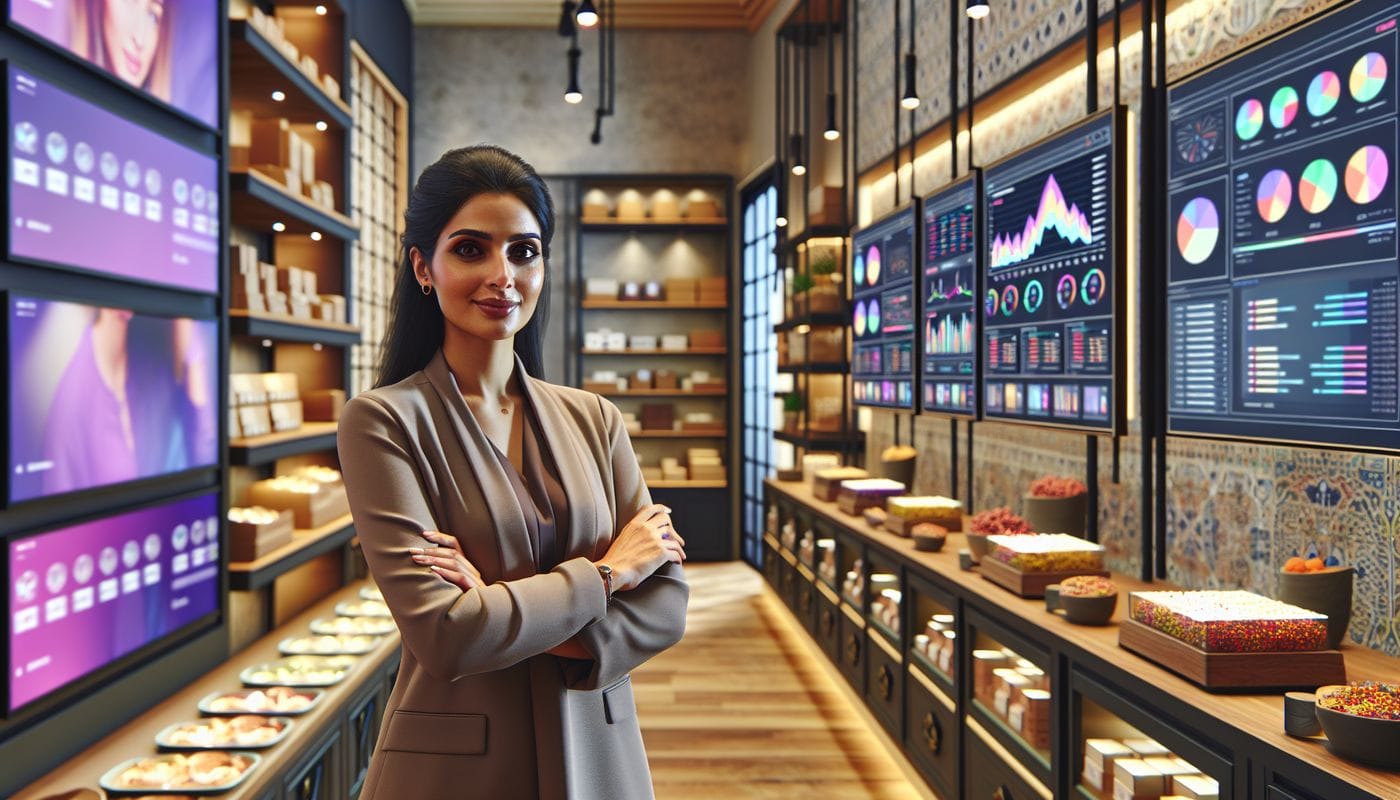
The platform's real-time analytics dashboard provides instant visibility into sales performance across physical stores, online store, and marketplace channels. Retailers can track hourly sales trends, monitor inventory levels across all locations, and identify which channels and products are driving the highest profitability.
💡Pro TipCommmerce's offline-first POS ensures analytics data is never lost even during internet outages, automatically syncing when connectivity returns for complete accuracy.
Key analytics capabilities include unified customer profiles that track purchase history across all channels, real-time inventory visibility preventing stock-outs and overselling, automated GST and financial reporting compliant with Indian regulations, and channel performance comparison to optimize marketing spend and inventory allocation.
The system provides role-based dashboards customized for store managers, warehouse staff, and business owners. Store managers see operational metrics like today's sales targets and inventory alerts, while owners access strategic insights including month-over-month growth trends and channel profitability analysis.
Commmerce integrates natively with popular Indian payment systems like Razorpay, PhonePe, and Paytm, providing complete transaction visibility. The platform also connects with logistics partners like Delhivery and Shiprocket for comprehensive order fulfillment analytics.
For retailers looking to expand their analytics capabilities, Commmerce offers advanced features like customer lifetime value tracking, seasonal demand forecasting, and automated reorder recommendations based on sales velocity and lead times.
The setup process is streamlined compared to connecting multiple separate tools. Retailers can be up and running with complete omnichannel analytics within days rather than months, with ongoing support from a local team that understands Indian retail operations.
To see how real-time omnichannel analytics can transform your retail operations, Schedule a Free Demo with the Commmerce team.
Conclusion
Setting up real-time omnichannel analytics for Indian retailers in 2026 is no longer optional but essential for competitive success. The ability to make data-driven decisions based on unified, real-time insights across all channels directly impacts profitability and customer satisfaction.
The key to successful implementation lies in choosing a unified omnichannel retail operating system rather than trying to connect multiple separate tools. This approach provides better data accuracy, reduces complexity, and delivers faster time to value.
For Indian retailers ready to transform their operations with real-time omnichannel analytics, exploring comprehensive platforms like Commmerce can provide the unified visibility needed to optimize performance across all touchpoints. Schedule a Free Demo to see how real-time analytics can drive your business growth.
FAQs
Q: What is real-time omnichannel analytics for retail?
A: Real-time omnichannel analytics is a system that provides instant visibility into sales performance, inventory levels, customer behavior, and order fulfillment across all retail channels including physical stores, online store, and marketplaces from a unified dashboard.
Q: Why do Indian retailers need omnichannel analytics in 2026?
A: Indian retailers need omnichannel analytics to get unified visibility across multiple sales channels, prevent stock mismatches, track which channels are most profitable, and make data-driven decisions to optimize their business performance across all touchpoints.
Q: What metrics should Indian retailers track in omnichannel analytics?
A: Indian retailers should track key metrics including sales performance by channel, real-time inventory levels across locations, order fulfillment times, customer lifetime value, channel-wise profitability, and stock movement patterns to optimize their omnichannel operations.
Q: How much does omnichannel analytics software cost for Indian retailers?
A: Omnichannel analytics solutions for Indian retailers typically range from ₹5,000 to ₹25,000 per month depending on the number of stores, channels, and advanced features required, with unified platforms often being more cost-effective than separate tools.
Q: Can omnichannel analytics work with existing POS and inventory systems?
A: Yes, modern omnichannel analytics platforms can integrate with existing POS systems, inventory management tools, and ecommerce platforms through APIs and connectors, though unified omnichannel retail operating systems provide better data accuracy and real-time sync.
Disclaimer: This article is for general informational purposes only and does not constitute legal, financial, or tax advice. GST rules, compliance requirements, and platform features may change over time. Please verify the latest guidelines with a qualified professional or refer to official sources such as the GSTN or CBIC. Market statistics mentioned are based on publicly available estimates and may not reflect current figures. Commmerce product features referenced are accurate at the time of writing and subject to change.