Introduction
Running a retail store in India today means juggling multiple challenges – from managing inventory across different locations to handling various payment methods and keeping customers happy. At the heart of solving these challenges lies one crucial decision: choosing the right Point of Sale (POS) system.
A POS system is no longer just a fancy cash register. In 2026, it's the brain of your retail operation that connects your physical store, online presence, inventory, and customer data into one seamless experience. Whether you run a single store in Mumbai or manage multiple outlets across different cities, the right POS system can transform how you do business.
But with dozens of options available in the Indian market, how do you choose the one that's perfect for your store? This guide will walk you through the 7 most important features to look for when selecting a POS system for your Indian retail business.
The Problem Retailers Face
Indian retail store owners face unique challenges that make choosing the right POS system critical for success. Let's look at the most common pain points:
Inventory Nightmares: Many retailers still rely on manual inventory tracking or outdated systems. This leads to stockouts of popular items, overstocking of slow-moving products, and countless hours spent on manual stock counting. When you can't track what's selling and what's not, you're essentially running your business blindfolded.
Payment Complexity: Indian customers expect multiple payment options – cash, cards, UPI, digital wallets, and even buy-now-pay-later schemes. Managing all these payment methods manually or through separate systems creates confusion and slows down checkout, leading to longer queues and frustrated customers.
Data Scattered Everywhere: Without a centralized system, your sales data, customer information, and inventory details are scattered across different platforms, registers, or even paper records. This makes it impossible to get a clear picture of your business performance or make informed decisions.
Staff Training Troubles: Complex systems that require extensive training can be a nightmare, especially in a market where staff turnover is common. If your team can't use the system efficiently, it becomes a bottleneck rather than a solution.
Compliance and Tax Headaches: With GST regulations and changing compliance requirements, manually managing tax calculations and generating proper invoices can be time-consuming and error-prone.
The Solution
The solution lies in choosing a modern, comprehensive POS system designed specifically for the Indian retail market. The right POS system acts as a central nervous system for your retail operations, connecting every aspect of your business into one unified platform.
A well-chosen POS system eliminates the need for multiple disconnected tools and manual processes. Instead of juggling separate systems for inventory, sales, payments, and customer management, everything works together seamlessly.
Modern POS systems are cloud-based, meaning your data is accessible from anywhere, automatically backed up, and constantly updated with the latest features and security patches. This eliminates the worry about losing important business data and ensures you're always running the most current version.
The key is understanding that a POS system is an investment, not just an expense. When chosen correctly, it pays for itself through improved efficiency, reduced errors, better inventory management, and enhanced customer experience that drives repeat business.
Key Features to Look For
Here are the 7 essential features every Indian retail store should prioritize when choosing a POS system in 2026:
1. Multi-Payment Gateway Integration
Your POS system must seamlessly handle all payment methods popular in India. This includes UPI payments, credit and debit cards, digital wallets like Paytm and PhonePe, and of course, cash transactions. Look for systems that can process payments quickly and provide instant confirmation to avoid customer frustration during checkout.
2. Real-Time Inventory Management
Choose a system that updates inventory in real-time as sales happen. This feature should include low-stock alerts, automatic reorder points, and the ability to track inventory across multiple locations if you have more than one store. Good inventory management can reduce carrying costs by up to 25% while ensuring you never run out of popular items.
3. GST Compliance and Automated Billing
Your POS system must automatically calculate GST based on product categories and generate compliant invoices. It should also help with GST return filing by maintaining proper records and generating necessary reports. This saves hours of manual work and reduces the risk of compliance errors.
4. Customer Relationship Management (CRM)
Look for built-in CRM features that help you track customer purchase history, preferences, and contact information. This enables personalized service and targeted marketing campaigns. Features like loyalty point management and customer segmentation can significantly boost repeat purchases.
5. Multi-Channel Integration
In 2026, customers shop both online and offline. Your POS system should integrate with your online store, social media selling platforms, and marketplaces like Amazon or Flipkart. This ensures inventory and pricing remain consistent across all channels and provides a unified view of your business.
6. Comprehensive Reporting and Analytics
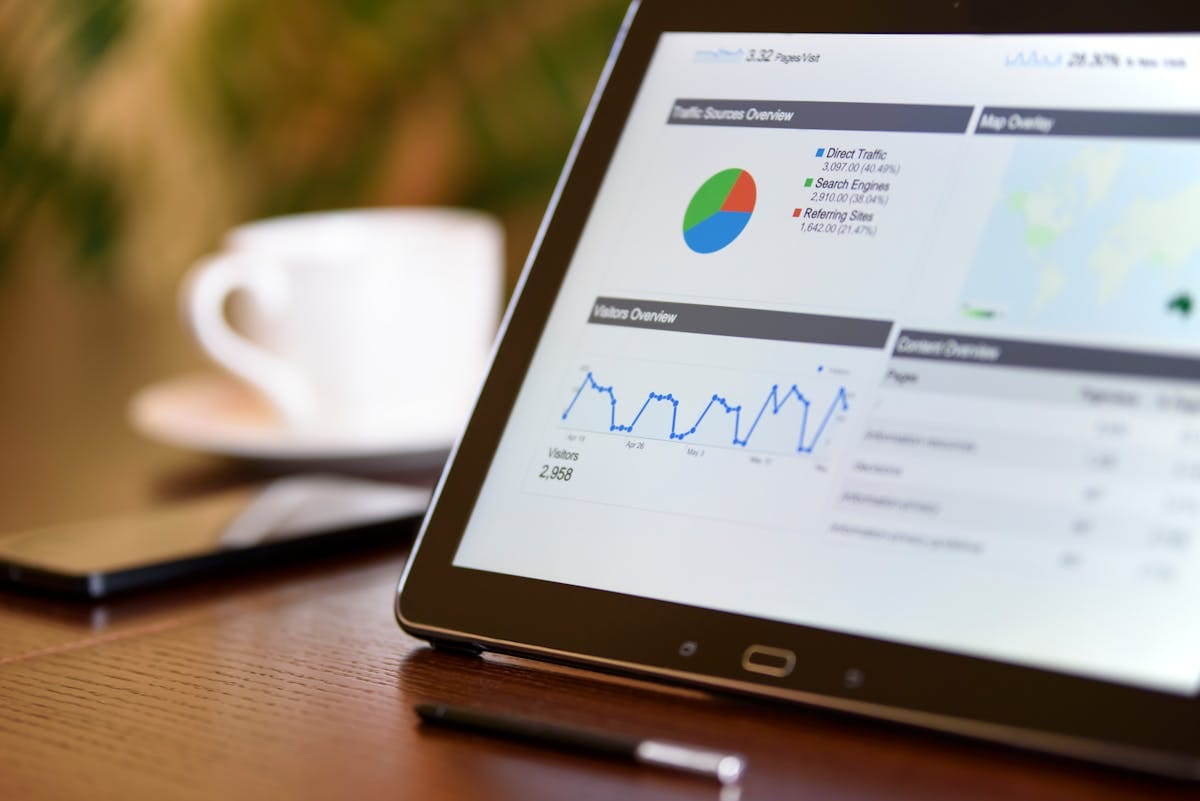
Choose a system that provides detailed reports on sales performance, inventory turnover, customer behavior, and profit margins. These insights help you make data-driven decisions about pricing, promotions, and inventory purchases. Look for customizable dashboards that show the metrics most important to your business.
7. User-Friendly Interface and Mobile Access
The system should be intuitive enough that new staff can learn it quickly. It should also offer mobile access so you can monitor your business and make important decisions even when you're not physically in the store. Cloud-based systems with mobile apps provide this flexibility.
How Commmerce Helps
Commmerce addresses all these requirements through its comprehensive omnichannel retail platform designed specifically for Indian mid-market retailers. The platform combines a powerful POS system with inventory management, customer relationship tools, and multi-channel integration capabilities.
What sets Commmerce apart is its deep understanding of the Indian retail landscape. The platform handles all major Indian payment gateways, ensures complete GST compliance, and provides local language support. The system is designed to work reliably even with inconsistent internet connectivity, a common challenge in many Indian markets.
Commmerce's unified dashboard gives retailers a complete view of their business performance across all channels – whether customers shop in-store, online, or through social media. The platform's inventory management system prevents stockouts and overstock situations by providing accurate demand forecasting based on historical data and market trends.
The customer support team understands local business practices and can provide guidance in regional languages, ensuring smooth implementation and ongoing support. Training modules are designed keeping in mind the typical Indian retail environment, making it easy for staff to adapt to the new system quickly.
Conclusion
Choosing the right POS system is one of the most important technology decisions you'll make for your retail store. The seven features outlined in this guide – multi-payment integration, real-time inventory management, GST compliance, CRM capabilities, multi-channel integration, comprehensive reporting, and user-friendly design – form the foundation of a system that can truly transform your business operations.
Remember, the cheapest option isn't always the best value. Consider the total cost of ownership, including training time, ongoing support, and the potential revenue increase from better inventory management and customer service. A good POS system should pay for itself within the first year through improved efficiency and sales growth.
Take time to evaluate your specific needs, test different systems with your actual products and workflows, and choose a provider who understands the Indian retail market. The right POS system will not just solve today's problems but position your business for future growth and success.
FAQs
Q: How much should I budget for a good POS system for my retail store?
A: POS system costs vary widely based on features and store size. Basic systems start around ₹10,000-15,000 per month, while comprehensive solutions for mid-size retailers typically range from ₹25,000-50,000 monthly. Consider this an investment that typically pays for itself through improved efficiency and sales within 6-12 months.
Q: Can I switch from my current POS system without losing data?
A: Yes, most modern POS providers offer data migration services to transfer your existing customer data, inventory information, and sales history. Choose a provider who offers comprehensive migration support and training to ensure a smooth transition with minimal disruption to your business operations.
Q: Do I need internet connectivity for the POS system to work?
A: While most modern POS systems are cloud-based and work best with internet connectivity, many offer offline modes that sync data once connectivity is restored. This is particularly important in India where internet reliability can vary. Look for systems that can handle basic transactions offline and sync automatically when online.