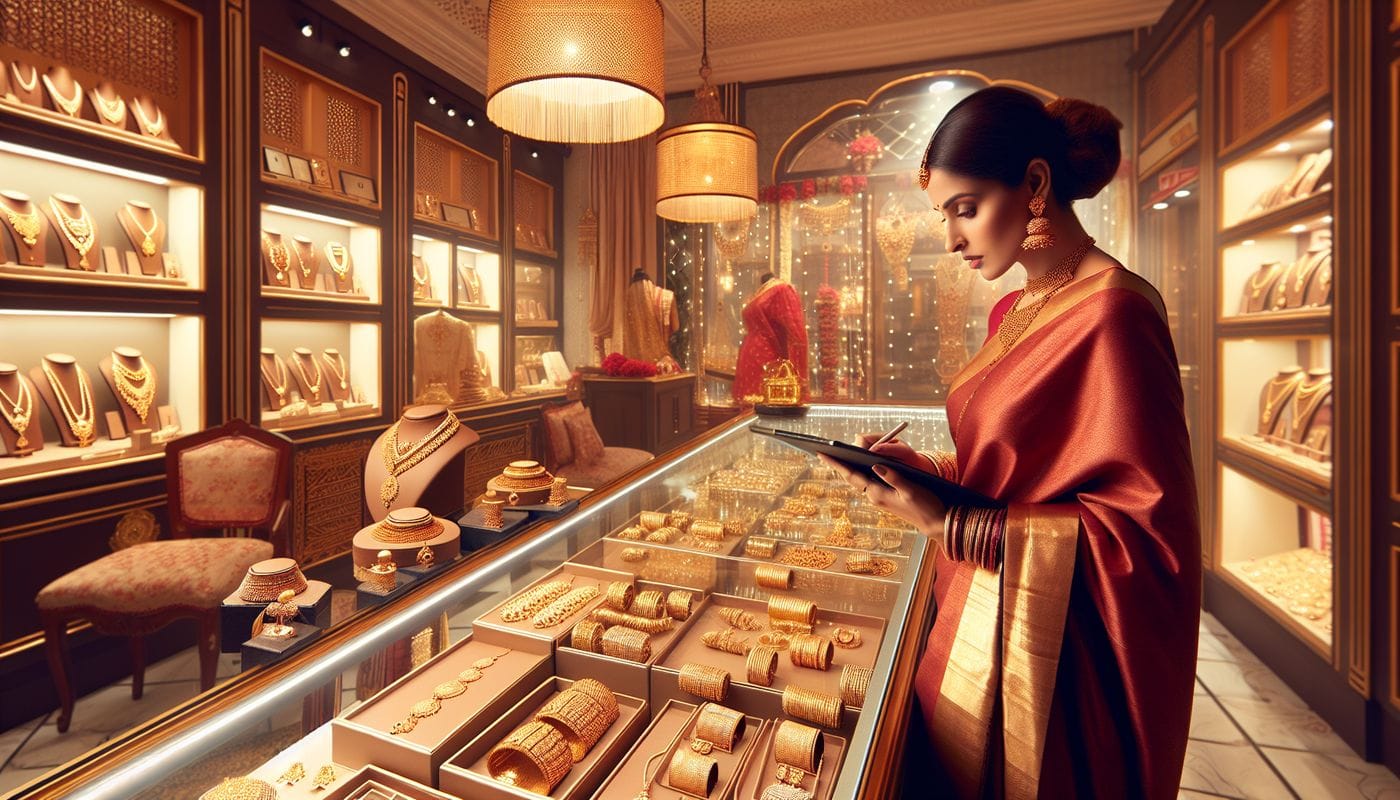
Multi-Store Wedding Season Peak Planning: Cut Jewellery Stockouts 65%
Table of Contents
- Introduction
- The Problem Indian Jewellery Retailers Face During Wedding Season
- The Solution: Unified Inventory Planning for Multi-Store Success
- Key Strategies for Wedding Season Inventory Planning
- How Commmerce Helps Jewellery Retailers Master Peak Season Planning
- Conclusion
- Frequently Asked Questions
TL;DR
- Multi-store jewellery retailers can reduce wedding season stockouts by 65% through unified inventory planning and demand forecasting across all locations.
- Successful peak season planning requires centralised inventory visibility, automated reorder points, and safety stock levels of 20-30% for high-demand items.
- An omnichannel retail operating system eliminates manual stock tracking errors and enables real-time inventory allocation between stores during peak demand periods.
- Historical sales data analysis combined with regional wedding calendar insights helps jewellery chains predict demand patterns and optimise stock distribution.
Introduction
Multi-store wedding season peak planning is critical for jewellery retailers to avoid the devastating impact of stockouts during India's most profitable selling period. Wedding season brings unprecedented demand spikes that can make or break a jewellery retailer's annual performance, with successful chains reporting up to 40% of their yearly revenue concentrated in just 4-5 peak months.
The challenge intensifies for multi-store jewellery chains managing inventory across multiple locations, each serving different customer preferences and regional wedding traditions. Without proper planning, retailers face the dual nightmare of stockouts in high-demand stores while other locations struggle with excess inventory of slow-moving pieces.
This comprehensive guide reveals how leading jewellery retailers achieve 65% reduction in stockouts through strategic multi-store wedding season peak planning, transforming potential losses into record-breaking sales performance.
The Problem Indian Jewellery Retailers Face During Wedding Season
Indian jewellery retailers face unique inventory challenges that intensify dramatically during wedding season peak periods. The combination of high-value inventory, unpredictable demand patterns, and complex customer preferences creates a perfect storm of operational difficulties.
The primary challenge lies in demand unpredictability across different store locations. A South Delhi store might experience overwhelming demand for contemporary diamond sets while the Chandni Chowk location sees customers exclusively seeking traditional gold jewellery. Without unified visibility, retailers cannot quickly reallocate inventory to meet location-specific demands.
₹2.3 lakh average revenue loss per stockout incident during peak wedding seasonBased on industry estimates from leading jewellery retailers
Cash flow management adds another layer of complexity. Jewellery inventory represents significant capital investment, with even small stores carrying ₹50 lakh to ₹2 crore worth of stock. During wedding season, retailers must balance the risk of stockouts against the carrying cost of excess inventory, especially with gold price volatility affecting margins.
Traditional inventory management systems like manual Excel tracking or basic billing software fail completely during peak season stress tests. Manual stock counting becomes impossible when dealing with thousands of unique SKUs across multiple locations, leading to overselling, customer disappointment, and lost sales opportunities.
The situation worsens with inter-store coordination challenges. When a customer visits one store looking for a specific design that's available at another location, manual processes make it nearly impossible to check availability, arrange transfers, or coordinate deliveries within the tight timelines wedding customers demand.
The Solution: Unified Inventory Planning for Multi-Store Success
Unified inventory planning creates a single source of truth for all inventory across multiple store locations, enabling jewellery retailers to make data-driven decisions that prevent stockouts while optimising capital efficiency. This approach transforms fragmented, location-specific inventory into a flexible, responsive network that can adapt to demand variations in real-time.
The foundation of effective wedding season planning lies in centralised inventory visibility. Retailers need real-time access to stock levels, movement patterns, and availability across all locations from a single dashboard. This visibility enables quick decision-making when demand spikes unexpectedly or when customers request specific items not available at their preferred location.
Successful retailers implement demand forecasting based on historical wedding season data, regional wedding calendar insights, and local festival patterns. By analysing previous years' performance, they identify which product categories, price ranges, and designs perform best at each location during specific time periods.
💡Pro TipSet up automated alerts when any item drops below predetermined reorder points, especially for high-velocity wedding essentials like gold bangles and necklace sets that can sell out within hours during peak periods.
The solution also requires flexible inter-store transfer capabilities. When one location experiences unexpected demand, inventory from other stores can be quickly identified, reserved, and transferred to meet customer needs. This flexibility transforms the entire chain into a unified inventory pool rather than isolated store silos.
Integration with supplier networks becomes crucial during peak season. Retailers need systems that can automatically generate purchase orders, track incoming shipments, and update inventory levels across all locations as new stock arrives. This integration prevents the manual errors that often occur during high-stress peak periods.
Key Strategies for Wedding Season Inventory Planning
Historical Data Analysis and Demand Forecasting
Effective wedding season planning starts with comprehensive analysis of historical sales data from the previous 2-3 years. Retailers should examine sales patterns by product category, price range, and store location to identify consistent demand trends and seasonal variations.
Focus on identifying the top 20% of SKUs that generate 80% of wedding season revenue at each location. These high-velocity items require the most careful planning and highest safety stock levels to prevent stockouts during peak demand periods.
Regional wedding calendar analysis provides crucial insights for demand timing. Different regions in India have preferred wedding months, and local festivals can create additional demand spikes. Retailers should map these patterns against their historical sales data to predict when and where demand will peak.
Strategic Safety Stock Management
Safety stock levels must be carefully calibrated for different product categories and price ranges. High-velocity items like gold bangles, traditional necklace sets, and wedding rings require safety stock levels of 20-30% above projected demand to handle unexpected spikes.
Medium-velocity items such as earrings, pendants, and casual wear jewellery should maintain safety stock levels of 15-20%. Slow-moving or high-value designer pieces require more conservative 10-15% safety stock levels to balance availability against carrying costs.
| Product Category | Velocity | Safety Stock % | Reorder Frequency |
|---|---|---|---|
| Gold Bangles & Sets | High | 25-30% | Weekly |
| Diamond Earrings | Medium | 15-20% | Bi-weekly |
| Designer Collections | Low | 10-15% | Monthly |
| Wedding Rings | High | 20-25% | Weekly |
Real-Time Inter-Store Inventory Allocation
Dynamic inventory allocation enables retailers to respond quickly to demand variations across different store locations. When one store experiences higher than expected demand, inventory can be identified and transferred from locations with available stock.
Implement automated allocation rules based on historical performance and current demand trends. For example, stores in areas with higher wedding activity should receive priority allocation for wedding-specific items during peak months.
Create standard operating procedures for inter-store transfers during peak season, including approval workflows, transportation logistics, and inventory update procedures. Staff should be trained on these processes before wedding season begins to ensure smooth execution during high-pressure periods.
Automated Reorder Point Management
Automated reorder points prevent stockouts by triggering purchase orders or inter-store transfers before inventory reaches critically low levels. These points should be calculated based on average lead times, demand variability, and desired service levels.
For wedding season planning, reorder points should be adjusted upward to account for increased demand velocity. Items that normally reorder at 10 units might need reorder points of 25-30 units during peak wedding months.
According to the India Brand Equity Foundation, the gems and jewellery sector contributes significantly to India's exports, highlighting the industry's growth potential when proper inventory management systems are in place.
⚠️Watch OutDon't set reorder points too high for expensive items, as this ties up excessive capital in inventory and increases carrying costs, especially with gold price volatility affecting margins.
Supplier Integration and Purchase Order Automation
Seamless supplier integration ensures rapid restocking during peak demand periods. Automated purchase order generation based on reorder points and demand forecasts reduces manual errors and accelerates procurement cycles.
Establish preferred supplier agreements with guaranteed delivery timelines during wedding season. Suppliers should understand your peak season requirements and commit to priority fulfillment for critical items.
Implement goods receipt workflows that automatically update inventory levels across all stores when new shipments arrive. This real-time updating prevents overselling and ensures accurate stock availability information for customer inquiries.
Running a retail business in India?See how Commmerce unifies your stores, inventory, orders and delivery in one platform.Schedule a Free Demo
How Commmerce Helps Jewellery Retailers Master Peak Season Planning
Commmerce's Omnichannel Retail Operating System provides jewellery retailers with the unified platform needed to execute successful multi-store wedding season peak planning and achieve 65% reduction in stockouts through intelligent inventory management and real-time operational visibility.
The centralised inventory management system gives retailers real-time visibility into stock levels across all store locations from a single dashboard. Unlike traditional systems like Vyapar or Marg ERP that operate in silos, Commmerce creates a unified view where managers can instantly see which stores have specific items available and initiate transfers with a few clicks.
Commmerce's demand forecasting capabilities analyse historical sales data across all locations to predict wedding season demand patterns. The system automatically calculates optimal safety stock levels for different product categories and sets up automated reorder points that adjust based on seasonal demand variations and lead times.
The platform's offline-first POS system ensures continuous operations even during internet outages, which is crucial during peak wedding season when stores experience high traffic and network congestion. Sales data syncs automatically when connectivity resumes, maintaining accurate inventory records without manual intervention.
Inter-store transfer capabilities enable quick inventory reallocation when demand spikes unexpectedly at specific locations. The system tracks transfer requests, approvals, and shipment status while automatically updating inventory levels at both source and destination stores to prevent overselling.
Built-in GST compliance and e-invoice generation ensure smooth operations during high-volume wedding season sales without manual tax calculation errors. Integration with Indian payment systems like Razorpay, PhonePe, and Paytm streamlines transaction processing during busy periods.
The warehouse management system optimises picking, packing, and putaway workflows for quick commerce fulfillment, enabling same-day or next-day delivery options that wedding customers increasingly expect.
Commmerce's analytics provide detailed insights into which products, price ranges, and categories perform best at each location during wedding season. These insights inform future planning and help optimise inventory allocation strategies year over year.
The platform's integration capabilities connect with existing supplier systems to automate purchase order generation and goods receipt processing. This integration reduces manual errors and accelerates restocking cycles during critical peak periods.
Unlike disconnected tools that require manual data entry and reconciliation, Commmerce's unified approach eliminates stock mismatches between online and offline channels, ensuring accurate inventory information across all customer touchpoints.
Staff can access real-time inventory information from any location, enabling them to check availability, reserve items for customers, and coordinate transfers without lengthy phone calls or manual stock checks that slow down service during busy periods.
Conclusion
Multi-store wedding season peak planning represents the difference between record-breaking success and devastating losses for Indian jewellery retailers. The 65% reduction in stockouts achieved through proper planning translates directly to increased revenue, improved customer satisfaction, and stronger market position during the industry's most competitive period.
The key lies in transforming fragmented, manual inventory processes into a unified, data-driven system that provides real-time visibility and automated decision-making capabilities. Retailers who implement comprehensive peak season planning strategies position themselves to capture maximum market share during India's most profitable wedding months.
Success requires more than just good intentions, it demands the right technology platform that can handle the complexity of multi-store operations during high-stress peak periods. The combination of demand forecasting, automated reorder management, and seamless inter-store coordination creates a competitive advantage that compounds year over year.
Don't let another wedding season pass with preventable stockouts eating into your profits. The retailers who master multi-store wedding season peak planning today will dominate their markets tomorrow. Schedule a Free Demo
Frequently Asked Questions
Q: How can jewellery retailers reduce stockouts during wedding season?
A: Jewellery retailers can reduce stockouts by implementing unified inventory management across all stores, using historical sales data for demand forecasting, setting up automated reorder points, and maintaining safety stock levels of 20-30% for high-demand items like gold bangles and necklace sets.
Q: What inventory planning strategies work best for multi-store jewellery chains?
A: The most effective strategies include centralised inventory visibility across all locations, demand-based allocation using past wedding season data, inter-store transfer capabilities, and real-time stock tracking to prevent overselling and ensure optimal distribution.
Q: How much safety stock should jewellery stores maintain during wedding season?
A: Jewellery stores should maintain 20-30% safety stock for high-velocity items like gold bangles and traditional sets, 15-20% for medium-velocity items like earrings and rings, and 10-15% for slow-moving designer pieces to balance availability with carrying costs.
Q: What are the biggest inventory challenges for jewellery retailers during wedding season?
A: The biggest challenges include unpredictable demand spikes across different regions, high product variety with thousands of SKUs, expensive inventory requiring careful cash flow management, and coordinating stock levels across multiple store locations without real-time visibility.
Q: How can jewellery retailers forecast demand for wedding season inventory?
A: Retailers can forecast demand by analysing previous 2-3 years of wedding season sales data, tracking regional wedding calendar patterns, monitoring gold price trends, identifying bestselling categories by store location, and adjusting for market conditions and local festivals.
Disclaimer: This article is for general informational purposes only and does not constitute legal, financial, or tax advice. GST rules, compliance requirements, and platform features may change over time. Please verify the latest guidelines with a qualified professional or refer to official sources such as the GSTN or CBIC. Market statistics mentioned are based on publicly available estimates and may not reflect current figures. Commmerce product features referenced are accurate at the time of writing and subject to change.