Multi-Store Price Sync for Indian Fashion: Beat HUL-Style Hikes 2026
Table of Contents
- Introduction
- The Problem Indian Retailers Face
- The Solution: What to Look For
- Key Features and Implementation Steps
- How Commmerce Helps
- Conclusion
- FAQs
TL;DR
- Multi-store price sync for Indian fashion retailers enables instant price updates across all channels when facing supplier hikes like HUL's recent increases.
- Automated pricing systems prevent revenue loss from manual errors and ensure consistent margins across physical stores, online channels, and marketplaces.
- Offline-first omnichannel platforms like Commmerce provide real-time price synchronization with GST compliance and role-based access controls.
Introduction
Multi-store price sync for Indian fashion retailers has become crucial in 2026 as supplier price hikes hit the industry harder than ever. Just like HUL's aggressive price increases across FMCG categories, fashion suppliers are pushing through 15-25% cost escalations, forcing retailers to respond quickly or watch their margins disappear.
For Indian fashion chains operating 2-50 stores, manually updating prices across physical locations, online stores, and marketplace channels is no longer viable. A single pricing error can cost thousands in lost revenue, while delayed updates during supplier hikes can wipe out quarterly profits.
The solution lies in automated multi-store price synchronization that responds to market pressures with the speed and precision modern retail demands.
The Problem Indian Retailers Face with Multi-Store Price Sync
Indian fashion retailers face unprecedented challenges when supplier costs spike suddenly. Manual price updates across multiple channels create a perfect storm of lost revenue and operational chaos.
When textile suppliers announce price hikes, fashion retailers typically have 7-15 days to adjust their pricing before new inventory arrives at higher costs. During this window, every hour of delay in price updates means selling current stock at unsustainable margins.
According to industry estimates, fashion retailers lose an average of ₹2-5 lakhs per month due to pricing inconsistencies across channels. A shirt priced at ₹1,200 in-store but still showing ₹999 online creates customer complaints and revenue leakage.
⚠️Watch OutFashion retailers using Tally Prime or Marg ERP often discover pricing errors weeks after implementation, when quarterly reports reveal margin erosion they can't explain.
The manual process involves calling each store manager, updating Excel sheets, adjusting website prices, and modifying marketplace listings separately. By the time all channels reflect new prices, competitors have already captured price-sensitive customers.
WhatsApp-based communication with store managers leads to miscommunication, with some stores applying 18% increases while others implement 15%, creating internal competition and customer confusion.
The Solution: What to Look For in Multi-Store Price Management
The ideal multi-store price sync solution provides centralized control with real-time updates across all channels simultaneously. Modern omnichannel retail platforms eliminate manual intervention while maintaining pricing accuracy and compliance.
Look for systems that support bulk price updates with percentage-based adjustments. When facing HUL-style supplier hikes, you need the ability to increase entire product categories by specific percentages while maintaining competitive positioning.
Real-time synchronization ensures all channels reflect changes within minutes, not hours. Your online store, marketplace listings, and POS terminals should display identical prices without manual intervention at individual locations.
| Criteria | Manual System | Automated Sync |
|---|---|---|
| Update Speed | 2-3 days across all channels | 5-10 minutes globally |
| Error Rate | 15-25% pricing mismatches | Less than 1% with validation |
| Staff Hours | 20-30 hours per update cycle | 2-3 hours for review and approval |
| Revenue Impact | ₹2-5 lakhs monthly loss | Minimal leakage with instant sync |
Role-based access controls prevent unauthorized price changes while maintaining audit trails. Store managers shouldn't modify pricing independently, but head office teams need flexibility to respond to market conditions rapidly.
Key Features and Implementation Steps
Centralized Price Management Dashboard
The foundation of effective multi-store price sync lies in a unified dashboard where all pricing decisions flow from a single source of truth. This eliminates the chaos of maintaining separate price lists for different channels.
Modern systems provide category-wise pricing controls, allowing fashion retailers to adjust ethnic wear, western wear, and accessories independently based on supplier negotiations and market positioning.
Bulk Update Capabilities with Percentage Adjustments
When textile suppliers announce 20% cost increases, you need bulk update functionality that applies percentage changes across entire product ranges while maintaining relative price positioning between items.
Advanced platforms support conditional pricing rules, such as applying higher margins to premium brands while maintaining competitive pricing on value segments.
💡Pro TipSet up automated pricing alerts when supplier costs increase by more than 10%, giving you early warning to adjust retail prices before margin erosion hits your bottom line.
Real-Time Multi-Store Price Sync Automation
Automated synchronization ensures price changes flow instantly to all connected channels without manual intervention at store level. POS terminals, online stores, and marketplace integrations update simultaneously.
Offline-first capability maintains pricing consistency even when individual stores experience internet connectivity issues, syncing changes automatically when connections restore.
GST Compliance and Automated Tax Calculations
Fashion retailers must maintain GST compliance across all pricing changes, with automated tax calculations that adjust based on product categories and customer locations.
Integration with GSTN portal ensures all price updates generate compliant invoices without manual intervention, reducing compliance risks during frequent price adjustments.
Advanced Analytics and Margin Protection
Real-time analytics show the impact of price changes across channels, helping retailers understand which adjustments drive revenue growth versus customer resistance.
Margin protection alerts warn when price changes threaten profitability targets, allowing quick course corrections before financial damage accumulates.
How Commmerce Helps Fashion Retailers Master Multi-Store Price Sync
Commmerce's omnichannel retail platform provides comprehensive multi-store price synchronization specifically designed for Indian fashion retailers facing supplier cost pressures like recent HUL-style increases across the industry.
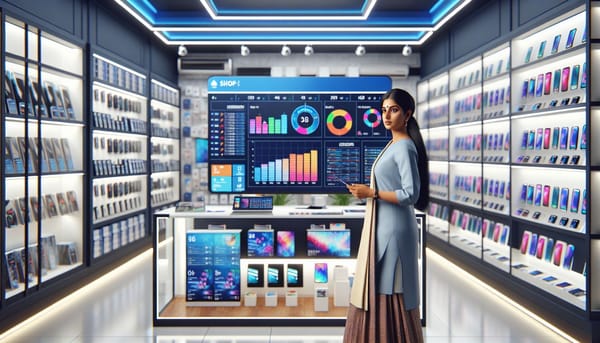
The platform's centralized pricing engine allows fashion chains to update prices across all physical stores, online channels, and marketplace integrations from a single dashboard, eliminating the manual coordination that typically takes days to complete.
When suppliers announce cost increases, Commmerce enables bulk percentage adjustments across entire product categories while maintaining GST compliance and automated tax calculations. The system validates pricing rules to prevent errors that could damage margins or customer relationships.
Real-time synchronization ensures all channels reflect changes within minutes, whether updating premium ethnic wear margins or adjusting competitive pricing on western fashion items. Store POS terminals automatically receive updates without requiring manual intervention from location managers.
The platform's offline-first architecture maintains pricing consistency even during internet outages, syncing changes automatically when connectivity returns. This prevents the revenue leakage that occurs when some stores operate with outdated pricing while others reflect current rates.
Commmerce integrates seamlessly with popular payment providers like Razorpay, PhonePe, and Paytm, ensuring price changes flow through to payment processing without technical complications. Logistics integrations with Delhivery, Shiprocket, and Ecom Express maintain consistent pricing across delivery channels.
Role-based access controls allow head office teams to manage pricing strategy while preventing unauthorized changes at store level. Audit trails provide complete visibility into who made which changes and when, supporting accountability during frequent price adjustments.
The system's analytics dashboard shows real-time impact of pricing changes across channels, helping retailers understand customer response and adjust strategies accordingly. Margin protection alerts warn when changes threaten profitability targets.
For fashion retailers concerned about integration complexity, Commmerce's iPaaS engine connects with existing systems like Tally Prime while providing superior price management capabilities compared to traditional ERP solutions.
Running a retail business in India?See how Commmerce unifies your stores, inventory, orders and delivery in one platform.Schedule a Free Demo
Unlike basic POS systems or billing software, Commmerce functions as a complete omnichannel retail operating system that handles not just pricing but inventory management, order processing, and delivery coordination across all channels.
Conclusion
Multi-store price sync for Indian fashion retailers represents the difference between thriving and merely surviving in 2026's challenging cost environment. As supplier hikes continue hitting the industry with HUL-style intensity, retailers need automated systems that respond with precision and speed.
Manual price updates across multiple channels create operational chaos and revenue leakage that fashion chains can no longer afford. The solution lies in omnichannel retail platforms that provide centralized control with real-time synchronization across all touchpoints.
Fashion retailers who master multi-store price sync gain competitive advantage through faster response to market conditions, consistent customer experiences, and protected profit margins even during cost inflation periods.
FAQs
Q: How does multi-store price sync work for fashion retailers?
A: Multi-store price sync automatically updates product prices across all physical stores, online channels, and marketplaces from a central dashboard, ensuring consistent pricing and eliminating manual errors.
Q: Can price sync help fashion retailers respond to supplier price hikes?
A: Yes, automated price sync allows fashion retailers to instantly update prices across all channels when suppliers increase costs, maintaining profit margins without manual intervention at each store.
Q: What happens if internet goes down during price updates?
A: With offline-first systems like Commmerce, price updates sync automatically when connectivity returns, ensuring no store operates with outdated pricing even during network outages.
Q: How to prevent pricing errors across multiple fashion stores?
A: Use centralized price management with role-based access controls, automated validation rules, and audit trails to prevent unauthorized price changes and maintain consistency across all locations.
Q: Does multi-store price sync work with GST calculations?
A: Yes, modern omnichannel platforms automatically calculate GST on updated prices and generate compliant invoices across all stores and channels without manual intervention.
Disclaimer: This article is for general informational purposes only and does not constitute legal, financial, or tax advice. GST rules, compliance requirements, and platform features may change over time. Please verify the latest guidelines with a qualified professional or refer to official sources such as the GSTN or CBIC. Market statistics mentioned are based on publicly available estimates and may not reflect current figures. Commmerce product features referenced are accurate at the time of writing and subject to change.