Introduction
Digital payments have transformed how Indians shop and pay for goods. In 2026, customers expect seamless payment experiences whether they're shopping online or in physical stores. For Indian retailers, integrating UPI and digital payment methods with your Point of Sale (POS) system isn't just an option anymore – it's essential for staying competitive and growing your business. This integration can significantly boost your sales, reduce transaction times, and improve customer satisfaction. Whether you run a small grocery store, fashion boutique, or electronics shop, understanding how to properly integrate digital payments with your POS system will help you serve modern customers better and increase your revenue.
The Problem Retailers Face
Many Indian retailers in 2026 are struggling with outdated payment systems that don't meet customer expectations. The most common challenges include: Fragmented Payment Experience: Customers often face confusion when different payment methods require separate machines or processes. This creates long queues and frustrated customers who may abandon their purchases. Manual Record Keeping: Without proper integration, retailers must manually track digital payments separately from cash transactions. This leads to accounting errors, time wastage, and difficulty in understanding sales patterns. Lost Sales Opportunities: When your POS system doesn't support popular payment methods like UPI, customers may leave without purchasing. In 2026, over 80% of urban customers prefer digital payments, making this a significant revenue loss. Inventory Management Issues: Disconnected payment systems make it harder to track which products are selling well and when to reorder stock. This can lead to stockouts or overordering. Customer Data Gaps: Without integrated systems, retailers miss valuable insights about customer preferences and buying patterns that could help improve business decisions. Security Concerns: Multiple payment terminals and processes increase security risks and make it harder to ensure compliance with payment regulations.
The Solution
Integrating UPI and digital payments with your POS system creates a unified payment ecosystem that benefits both you and your customers. Here's how this integration solves the problems: Unified Payment Processing: All payment methods – cash, cards, UPI, wallets, and BNPL options – work through a single interface. Your staff learns one system, and customers enjoy consistent experiences. Automatic Record Keeping: Every transaction automatically updates your sales records, inventory levels, and financial reports. This eliminates manual errors and saves hours of bookkeeping time. Faster Checkout Process: Integrated systems process payments quickly, reducing queue times and improving customer satisfaction. Happy customers are more likely to return and recommend your store. Real-time Business Insights: You get instant access to sales data, popular products, peak shopping times, and customer preferences. This information helps you make better business decisions. Improved Cash Flow: Digital payments typically settle faster than traditional methods, improving your cash flow and reducing banking trips. Enhanced Security: Integrated systems follow strict security standards and reduce the risk of fraud or data breaches.
Key Features to Look For
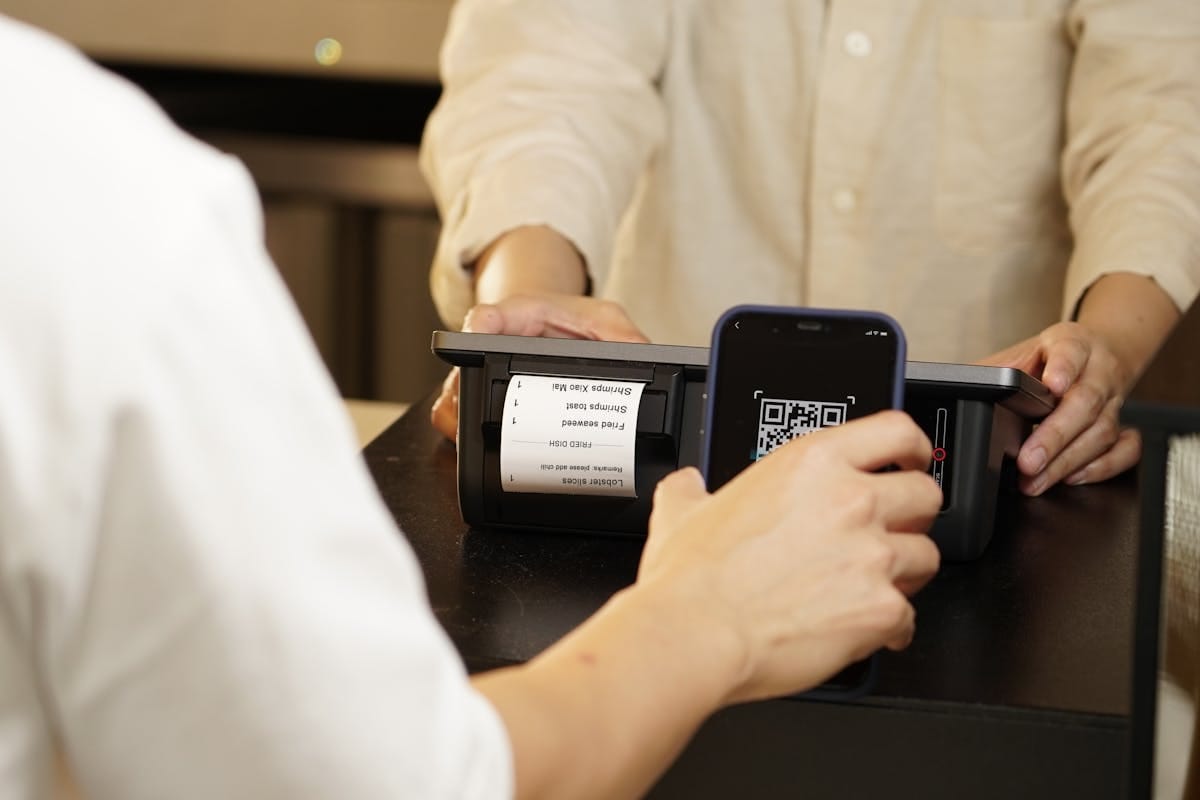
When choosing a POS system with integrated digital payments, prioritize these essential features: Multi-Payment Gateway Support: Your system should accept all major UPI apps, credit/debit cards, digital wallets, and emerging payment methods. This ensures you never turn away customers due to payment limitations. Offline Payment Capability: Internet connectivity can be unreliable. Look for systems that can process payments offline and sync data when connectivity returns. Quick Response Codes (QR): Static and dynamic QR codes make UPI payments simple for customers. Your system should generate QR codes automatically for each transaction. Real-time Reporting: Access to live sales data, payment method preferences, and transaction success rates helps you understand your business performance instantly. Inventory Integration: Payment processing should automatically update inventory levels, trigger reorder alerts, and track product performance. Customer Management: The system should capture customer information (with consent) to build loyalty programs and personalized marketing campaigns. Multi-store Support: If you have multiple locations, choose a system that centralizes data from all stores while allowing location-specific management. Mobile Compatibility: Your staff should be able to process payments using tablets or smartphones, especially useful for busy periods or outdoor events. Refund Management: Easy processing of refunds and exchanges through the same integrated system maintains customer satisfaction. Compliance and Security: Ensure the system meets RBI guidelines and PCI DSS standards for payment security.
How Commmerce Helps
Commmerce's omnichannel retail platform specifically addresses the needs of Indian mid-market retailers looking to integrate digital payments seamlessly. Our solution combines robust POS functionality with comprehensive payment integration. Our platform supports all major UPI providers, digital wallets, and card networks through a single interface. This means your customers can pay using any method they prefer while you manage everything from one system. The real-time sync between online and offline sales channels ensures accurate inventory management across all touchpoints. When a customer buys something in-store using UPI, your online inventory automatically updates, preventing overselling. Commmerce provides detailed analytics showing which payment methods your customers prefer, helping you optimize your checkout process. You can see trends like increased UPI usage during festivals or higher card transactions for premium products. Our system also handles the complexity of Indian taxation, automatically calculating GST and generating compliant invoices regardless of the payment method used. This simplifies compliance and reduces administrative burden. The platform's offline capability ensures you never lose sales due to connectivity issues. Transactions process normally and sync automatically when connection returns.
Conclusion
Integrating UPI and digital payments with your POS system is crucial for retail success in 2026. Customers expect smooth, fast payment experiences, and retailers who provide this see increased sales, better customer loyalty, and improved operational efficiency. The key is choosing a system that truly integrates all payment methods rather than just adding them as separate options. Look for solutions that provide unified reporting, automatic inventory updates, and comprehensive business insights. Start by evaluating your current payment processes and identifying the biggest pain points. Then choose an integrated POS solution that addresses these issues while positioning your business for future growth. The investment in proper payment integration will pay dividends through increased sales, reduced operational costs, and happier customers.
FAQs
Q: What's the difference between accepting UPI payments and integrating them with my POS system? A: Simply accepting UPI means you can receive payments but must manually track them separately. Integration means UPI payments automatically update your inventory, sales reports, and customer records just like any other transaction, creating a seamless business process. Q: How much does it typically cost to integrate digital payments with a POS system in 2026? A: Costs vary based on transaction volume and features needed. Most integrated solutions charge 1-2% transaction fees plus monthly software costs ranging from ₹2,000-₹10,000. However, the increased sales and operational efficiency usually offset these costs within a few months. Q: Can integrated payment systems work during internet outages? A: Yes, modern integrated POS systems offer offline modes that store transaction data locally and sync automatically when connectivity returns. This ensures you can continue serving customers even during network issues, though real-time features may be temporarily limited.