Retail Hardware Cost Calculator: Cut Equipment Expenses 35% Multi-Store 2026
Table of Contents
- Introduction
- The Problem Indian Retailers Face
- The Solution: Strategic Hardware Cost Optimization
- Key Cost Reduction Strategies
- How Commmerce Helps Optimize Hardware Investments
- Conclusion
- FAQs
TL;DR
- Multi-store retailers can reduce retail hardware costs by 35% through strategic bulk purchasing, standardization, and lifecycle optimization.
- The average Indian retailer overspends ₹2-4 lakhs annually per store on unnecessary hardware upgrades and poor equipment choices.
- Implementing a unified omnichannel platform reduces hardware requirements by eliminating redundant systems across stores.
- Proper hardware cost calculation includes total cost of ownership, not just initial purchase price.
Introduction
Using a retail hardware cost calculator can help Indian multi-store retailers cut their equipment expenses by up to 35% annually. With retail chains typically spending ₹15-25 lakhs per store on hardware over five years, this represents significant savings potential of ₹5-8 lakhs per location.
For Indian retailers operating multiple stores, hardware costs often spiral out of control due to inconsistent purchasing decisions, over-specification of equipment, and lack of standardization across locations. A systematic approach to calculating and optimizing these expenses is essential for profitable growth in 2026's competitive retail landscape.
The Problem Indian Retailers Face with Retail Hardware Cost Management
Most Indian multi-store retailers lack a systematic approach to hardware cost management, leading to significant overspending across their operations. Each store manager often makes independent equipment decisions, resulting in a patchwork of incompatible systems and inflated costs.
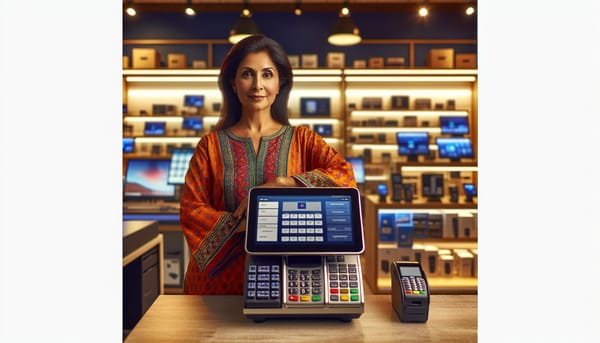
The typical cost breakdown for a mid-sized retail store includes ₹1.5-3 lakhs for POS terminals, ₹50,000-1 lakh for barcode scanners, ₹30,000-60,000 for thermal printers, and ₹20,000-40,000 for cash management systems. Without proper planning, these costs can escalate quickly as retailers add more locations.
⚠️Watch OutMany retailers focus only on upfront costs and ignore total cost of ownership, leading to expensive maintenance and replacement cycles down the line.
Common cost escalation factors include purchasing different equipment brands across stores, over-specifying hardware capabilities, lacking maintenance contracts, and failing to negotiate bulk pricing. According to industry estimates, retailers using disconnected solutions like Vyapar or Marg ERP often require additional hardware integrations that increase costs by 20-40%.
The Ministry of Commerce and Industry's retail development guidelines emphasize the importance of technology standardization for operational efficiency in Indian retail chains, highlighting how fragmented systems create unnecessary complexity and costs.
The Solution: Strategic Hardware Cost Optimization
Strategic hardware cost optimization involves implementing a centralized approach to equipment planning, purchasing, and lifecycle management across all store locations. This methodology typically reduces total hardware expenses by 35% while improving operational efficiency.
The key is shifting from reactive, store-by-store purchasing to proactive, chain-wide hardware planning. This includes standardizing equipment specifications, negotiating bulk contracts, and implementing proper total cost of ownership calculations.
| Cost Factor | Traditional Approach | Optimized Approach |
|---|---|---|
| Equipment Standardization | Different brands per store | Standardized across chain |
| Purchasing Volume | Individual store orders | Bulk chain-wide contracts |
| Maintenance Strategy | Reactive repairs | Preventive service contracts |
| Lifecycle Planning | Replace when broken | Scheduled replacement cycles |
| Cost Savings Potential | Baseline | 35% reduction |
Key Cost Reduction Strategies
Equipment Standardization and Bulk Purchasing
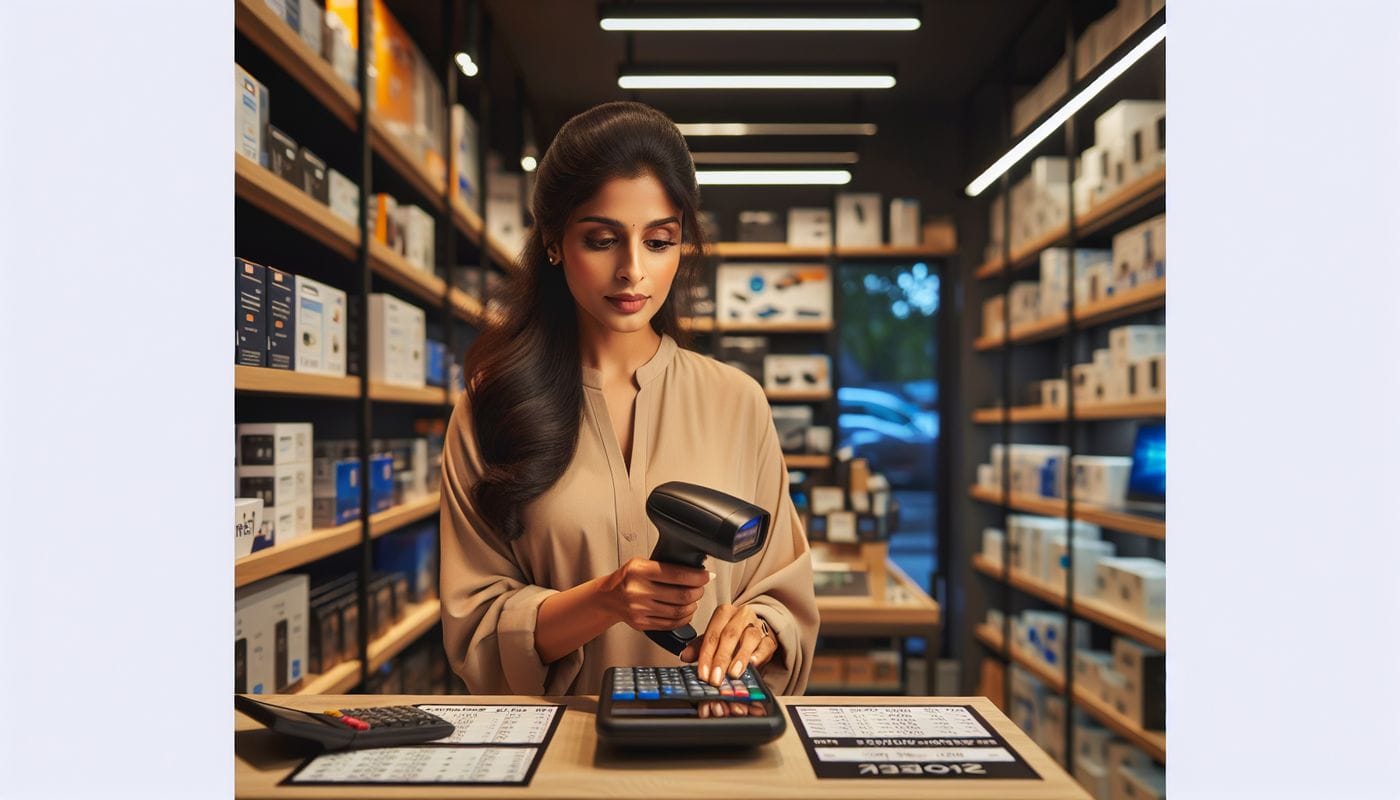
Standardizing hardware across all store locations creates economies of scale and simplifies maintenance. Choose one primary barcode scanner model, one thermal printer type, and one POS terminal specification for the entire chain.
Bulk purchasing agreements typically provide 15-25% discounts compared to individual store orders. For a 10-store chain, this translates to savings of ₹3-5 lakhs annually on new equipment purchases.
Total Cost of Ownership Analysis
Calculate the complete cost of retail hardware ownership including purchase price, installation, training, maintenance, consumables, and eventual replacement. Many retailers discover that slightly more expensive equipment with lower ongoing costs provides better value.
💡Pro TipInclude power consumption costs in your calculations as energy-efficient hardware can save ₹15,000-25,000 per store annually in electricity bills.
Strategic Equipment Lifecycle Management
Plan equipment replacement cycles based on actual performance metrics rather than arbitrary timelines. Barcode scanners typically perform optimally for 5-7 years, while thermal printers need replacement every 3-5 years depending on usage volume.
Implementing predictive maintenance schedules reduces emergency replacement costs by up to 40%. This is particularly important for mission-critical equipment like POS terminals where downtime directly impacts sales.
Technology Integration and Compatibility
Choose retail hardware that integrates seamlessly with your omnichannel retail platform to avoid costly middleware solutions. Equipment compatibility issues can add ₹50,000-1 lakh per store in integration costs.
The Complete Guide to Retail Hardware for Indian Store Owners provides detailed specifications for equipment that works optimally with modern retail operating systems.
How Commmerce Helps Optimize Hardware Investments
Commmerce's Omnichannel Retail Operating System significantly reduces hardware requirements by consolidating multiple functions into a unified platform. Instead of separate systems for billing, inventory, and order management, retailers need only one integrated solution.
The platform's offline-first architecture means POS terminals remain functional during internet outages, reducing the need for expensive redundant systems. This alone can save ₹1-2 lakhs per store in backup equipment costs.
Commmerce's native integrations with leading hardware manufacturers ensure compatibility and optimal performance. The platform supports barcode scanners, thermal printers, cash drawers, and weighing scales without requiring additional middleware or custom integrations.
Real-time inventory synchronization across all stores and warehouses eliminates the need for separate inventory tracking devices at each location. This centralized approach typically reduces hardware requirements by 20-30% compared to traditional multi-store setups.
Running a retail business in India?See how Commmerce unifies your stores, inventory, orders and delivery in one platform.Schedule a Free Demo
The platform's built-in analytics provide detailed insights into equipment utilization rates, helping retailers optimize their hardware investments. Store managers can identify underutilized equipment and redistribute resources accordingly.
GST compliance and e-invoice generation features are built directly into the platform, eliminating the need for separate tax compliance hardware or software solutions that can cost ₹30,000-50,000 per store annually.
For retailers looking to expand their hardware optimization efforts, the Retail Hardware ROI Calculator: 11 Ways Indian Store Chains Cut Costs provides additional cost-saving strategies.
Conclusion
Implementing a systematic retail hardware cost calculator approach enables Indian multi-store retailers to achieve 35% cost reductions while improving operational efficiency. The key lies in standardization, bulk purchasing, lifecycle planning, and choosing integrated technology platforms.
By moving beyond individual store purchasing decisions to chain-wide hardware strategies, retailers can significantly reduce their equipment expenses while building more scalable, efficient operations. The investment in proper planning and technology integration pays dividends through reduced costs and improved customer experiences.
FAQs
Q: How can multi-store retailers reduce hardware costs by 35%?
A: Multi-store retailers can reduce hardware costs by 35% through bulk purchasing agreements, standardizing equipment across stores, choosing hardware with longer lifecycles, optimizing equipment utilization ratios, and implementing centralized maintenance contracts.
Q: What is the typical lifespan of retail hardware equipment in India?
A: Barcode scanners typically last 5-7 years, thermal printers 3-5 years, POS terminals 4-6 years, and cash drawers 7-10 years under normal retail usage conditions in Indian environments.
Q: Should retailers buy or lease retail hardware equipment?
A: For multi-store chains, purchasing is typically more cost-effective for equipment with 5+ year lifespans, while leasing works better for rapidly evolving technology like tablets or when preserving cash flow is critical for expansion.
Q: How do I calculate ROI on retail hardware investments?
A: Calculate ROI by dividing annual savings from improved efficiency and reduced errors by the total hardware cost, then multiply by 100 for percentage. Good retail hardware ROI should exceed 25% annually.
Q: What are the hidden costs of retail hardware ownership?
A: Hidden costs include ongoing maintenance contracts, replacement parts, staff training, software licensing, power consumption, insurance, and opportunity costs from equipment downtime during repairs.
Disclaimer: This article is for general informational purposes only and does not constitute legal, financial, or tax advice. GST rules, compliance requirements, and platform features may change over time. Please verify the latest guidelines with a qualified professional or refer to official sources such as the GSTN or CBIC. Market statistics mentioned are based on publicly available estimates and may not reflect current figures. Commmerce product features referenced are accurate at the time of writing and subject to change.